
Selling Landscape Photography - Know This First
Selling landscape photography prints is the most important part of my business as an outdoor photographer. Years ago before I made the decision to sell my work, I sought the advice of pros who were willing to share some of their wisdom on what it takes to be successful.
For all that I learned, from building a website to finding reputable printers, there was still one burning question that proved difficult to find an answer. But to me, it is the most important one of all.
How do you create images that will actually sell?
This is the ultimate dilemma of any artist, and the hard truth is that to succeed we first need to create photographs that speak to our viewers, where success is largely measured by print sales.

Even experienced photographers can find it difficult to forecast which of their images will be popular with customers. Sometimes our personal favourites turn out to be flops with buyers, while others that we view as 'average' end up becoming best sellers.
To understand why this happens, it is helpful to understand the psychology that influences how people perceive and appreciate the landscapes of our natural world.
Is it possible to predict what people will like?
The Unconscious Mind
Sigmund Freud (1856-1939) was neurologist and founder of psychoanalysis, a theory that in part addressed the role of the 'unconscious mind', which can be described as a well of thoughts, feelings, urges, and memories that exist deep in our psyche.

Freud believed that three different levels of awareness- the conscious, preconscious, and unconscious mind, and the constant interplay between them was the driving force behind an individual's unique personality and behaviour.
Although the debate over Freud's theories continues to this day, human tendencies and preferences are shaped by a variety of factors that we may never fully understand. But it is undeniable that they are deeply rooted and engrained in each of us very early in our lives, often further back than we can remember.
As an example of unconscious behaviour, have you ever glanced at a stranger walking down the street, and almost instantaneously, you assign a judgement to their character based on their appearance?
This is the unconscious mind at work, fairly or unfairly, shaping our perceptions without even thinking about it.
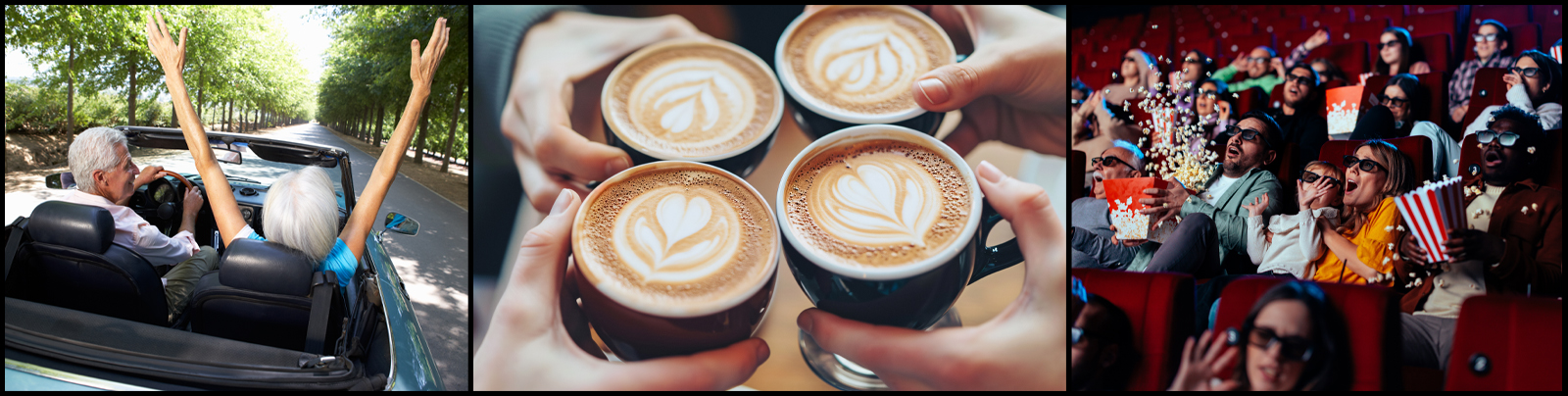
These feelings and biases buried deep in our psyche affect everything that we think and do, from the cars we drive to whether or not we enjoy coffee or scary movies.
Without digressing further, and to bring our thoughts back to the subject of landscapes, it's clear that people have different tastes and preferences shaped by their personality, upbringing, cultural background, and life experiences.
All of these factors have an influence on what scenes or elements in a landscape photograph resonate with them emotionally.

Ultimately, the reasons why some people are drawn to certain landscapes while others are not seem to be complex and difficult to predict.
But is their evidence to suggest otherwise?
Evolution and the Landscape
Certain traits, behaviours, and instincts are believed to be hardwired in human DNA due to evolutionary processes over millions of years, and are universal across human populations.
Survival instincts like fight or flight responses, fear of loud noises, hunger, thirst, and reproductive drive are embedded in our biology. Preference for sweet tastes, which signaled foods that were safe to eat, as well as our 24-hour circadian rhythm that regulates sleep cycles are influenced by cues from our environment.
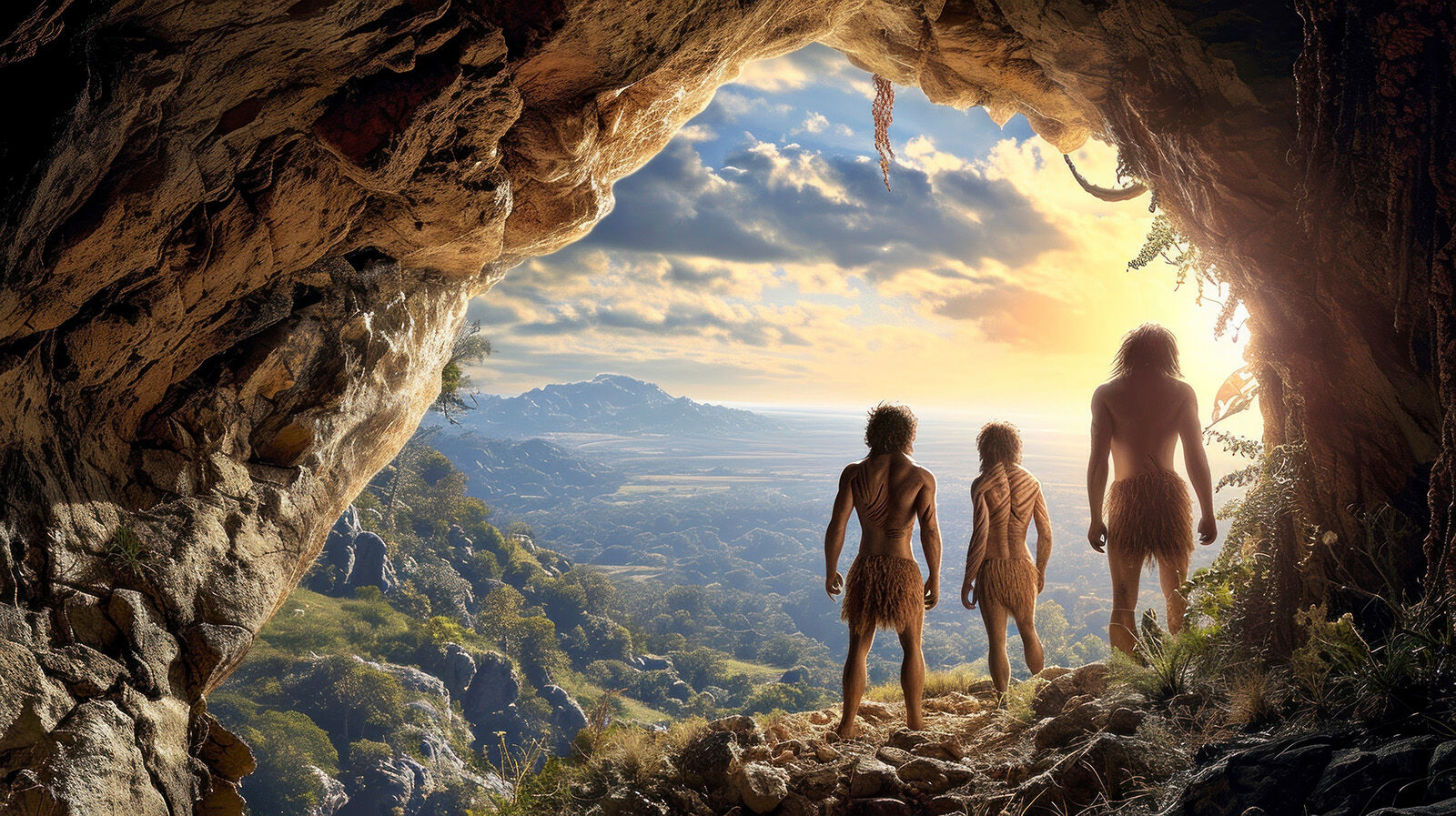
Because these elements are foundational to all humans, influencing our development and interaction within our environments, it's also plausible that our preferences for landscapes is hardwired into our unconscious mind.
British geographer Jay Appleton (1919-2015) published a book called The Experience of Landscape, where he establishes a theory that it is within our DNA to react emotionally to different landscapes due to our evolution as a species.
His 'habitat theory' suggests that as we evolved, we gravitated to habitats where our biological needs could be met, while his 'prospect-refuge theory' explains how humans preferred elevated areas with a view or vantage point (prospect), while favouring landscapes that offered shelter and places to hide from predators or enemies (refuge).

When we consider that the Stone Age ended a mere 250 generations ago, many researchers believe that from an evolutionary perspective, it hasn't been long enough for our landscape tastes to disappear and they still linger in our DNA.
What People Like (And Don't Like)
Rachel and Stephen Kaplan, professors of psychology at the University of Michigan, published a book entitled "The Experience of Nature : A Psychological Perspective". Through various forms of analysis, they discovered that although people are very different, their preferences of natural environments showed remarkable consistency across diverse demographics.
They detected that when viewing landscape scenes, "without realizing it, humans interpret the environment in terms of their needs, and prefer settings in which they are likely to function more effectively."
In other words, they unconsciously imagine themselves within the scene and judge it based on what it offers them such as protection, safety, exploration, ease of locomotion, and opportunity of discovery.

Scenes that scored consistently low in preference included wide open areas without discernable elements that would enable one to orient themselves, and limit opportunity for exploration or protection (above, left).
Conversely, complex scenes such as dense foreground vegetation with blocked views (above, right) scored equally as low, implying a sense of difficulty to move through such an area with competence, while a sense of lurking danger from obstructed views made it seem less safe and comfortable.

Images that scored consistently high in preference were open areas that were defined, such as parklike or open forest scenes with trees that were spaced to help define depth, with ground cover that was short or smooth, implying ease of movement and navigation (above).

People also tend to prefer mountains and hilly terrain over flat land, perhaps in the sense of opportunity for exploration and the appeal of distant or elevated views over our surroundings.
Scenes that contained the presence of water also have strong attraction, which is not surprising considering it is a biological need for survival.
A Sense Of Mystery And Wonder
Within the Kaplan's research, it was also observed that people are attracted to landscapes that contain an element of mystery. Some photographs suggest that if one were to venture deeper into the scene, there would be an opportunity for new information or discovery.

Examples include photographs with fog or mist (above), or images with a bending pathway (below) that is partially obscured, sending a signal of learning if one were to move beyond the initial vantage point.

Another preference that I have personally observed is the attraction of images that evoke a sense of awe or wonder, with an element of beauty that the observer finds fascinating or intriguing.
An example would be this photograph of a lightning storm (below), a split second in time that can be captured with the camera and appreciated to a degree that the human eye cannot see the same equally in real time.

Images of a more abstract nature seem to captive some people, where they may not instantly recognize what they are looking at. This water reflection photograph of trees in a gently flowing creek (below) almost looks like an impressionist style painting at first glance.

Similarly, the dynamic force of flowing lava (below) is a scene that most will never witness, yet the power of nature and textures created in the rock as it cools are endlessly fascinating, and rate among my most popular images.

It never ceases to amaze me how everyone 'sees' a photograph differently than the next person, often pointing out shapes or details that even I did not notice as the photographer.
Nature Versus Nurture
Nature versus nurture can be described as the debate of what influences humans between their genetic inheritance (nature) and external factors such as exposure, experience, and learning (nurture).
This concept applies perfectly to landscape photography because each individual brings their unique experiences, preferences, and emotions to their interpretation of an image.

One person might find a snow-capped mountain captivating, with strong admiration for majestic peaks and rugged terrain. Meanwhile, another person might prefer a tranquil landscape with soft, pastel colors, finding beauty in its peacefulness.
A photograph of a beach at sunset might hold immense value for someone who has fond memories of family vacations by the shore, while it might not resonate as strongly with someone who has never experienced such moments.
Cultural backgrounds, personal experiences, and emotional connections can all influence how individuals perceive and appreciate landscape photography.
Triggering the Emotional Response
It has been my experience that many people are drawn to particular images because of a strong emotional connection or memory. Often, they have either visited the location in the photograph, it may remind them of somewhere they have been, or maybe they find the subject matter highly appealing.
Iconic locations are always well-liked, such as Sunwapta Falls in Jasper National Park (below), recognizable because of its distinct appearance and beauty. When captured with a strong composition under ideal weather conditions or atmosphere, you can be sure to have a photograph that will be popular with a large audience.

Other subjects in nature seem to resonate with almost everyone. Trees, for example have a timeless and enduring appeal because of their natural beauty, graceful form, vibrant foliage, and calming effect.
Research has shown that exposure to nature, including images of trees, can have therapeutic benefits for mental and emotional well-being. Viewing pictures of trees can reduce stress, improve mood, and promote relaxation, making them popular choices for décor.

Creativity in photography can be difficult to achieve, but showcasing subjects in a new and unique way can be very attractive to viewers. As an example, most photographs of the iconic Three Sisters mountain in the front range of the Canadian Rockies look very similar because they are usually taken from the same basic viewpoints.
With an idea to create something unique, I discovered a tiny waterfall beneath the mountain that most people have never seen. Using it as my foreground, and returning four mornings in a row to capture it under the right lighting conditions, I was able to create a completely original image (below, left) that has become a popular addition to my portfolio.
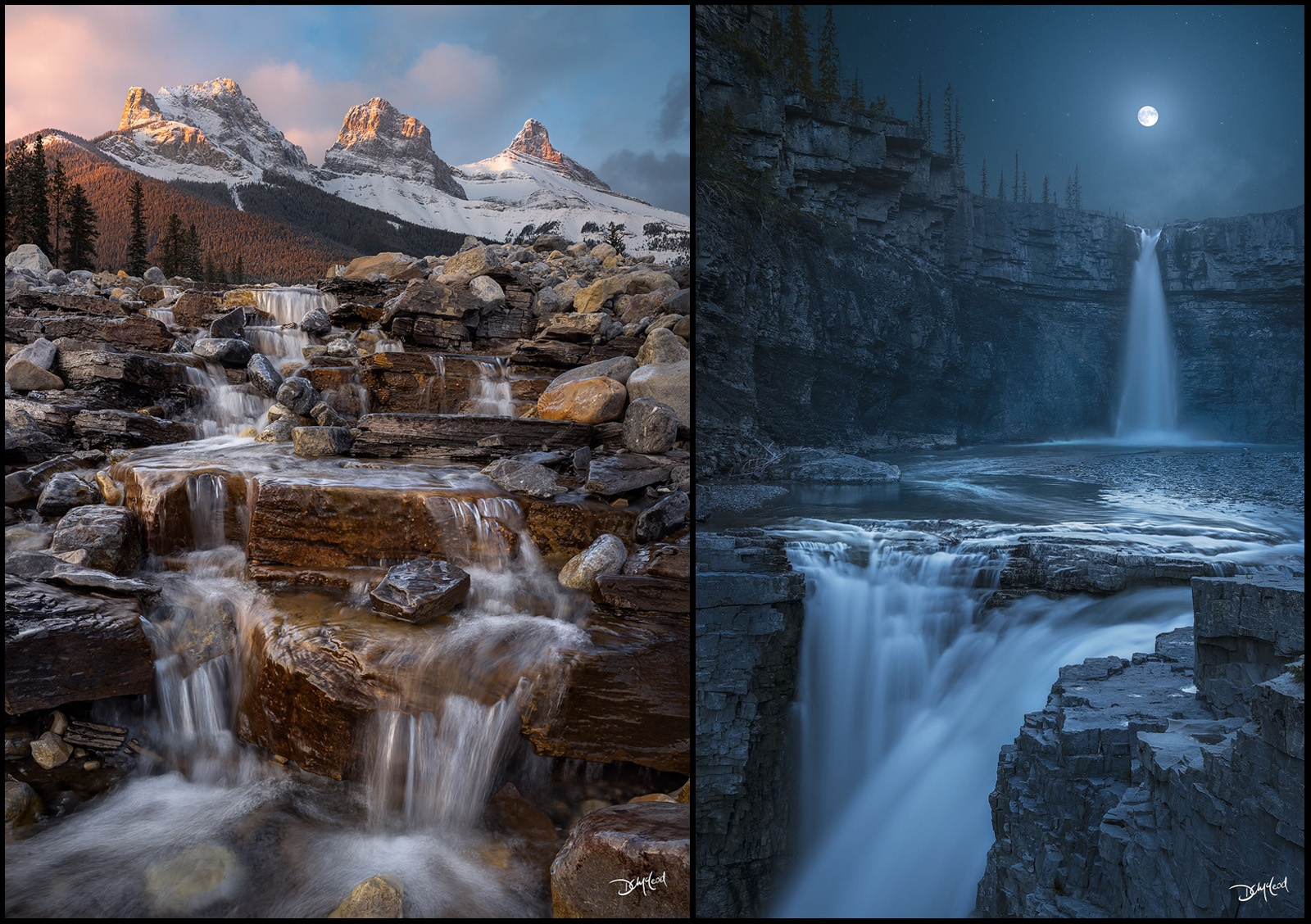
Similarly, the Crescent Falls double waterfall in west-central Alberta (above, right) is a beautiful subject, so I conceived the idea of photographing it at night, as I had never seen any night photography done at that location.
Using moon phase tracking software, I was able to determine a small window when it may be possible to view a full moon setting over the falls. With no guarantees, I travelled to the falls and with great luck, came away with a distinctive photograph that my customers love.
The Power Of Vibrant Colour
Another observation I have made selling my art is that most people love vibrant colours in landscape and nature photographs, and for a variety of reasons.
Vibrant colours evoke strong emotions. They can stimulate feelings of happiness and awe, which are emotions many people seek to experience when viewing art, including photographs.
Subconsciously, colours also convey meaning and are often associated with positive concepts such as vitality, abundance, and peace. People subconsciously associate those qualities with the subject matter, making them more inclined to appreciate and desire the photograph.

Bright and vivid colours also capture attention more easily than muted or dull tones. They stand out and draw the eye, making the photograph more visually engaging and memorable. When I sell my art in shows, I often observe that people are first drawn to the most colourful prints in my booth.
Considering that landscape and nature photographs serve as decorative pieces, it should be of no surprise that prints are often chosen because of their colours that will match or compliment the customer's existing décor.
Diversify Your Portfolio
As we have learned, the popularity of different types of landscape photography can vary greatly based on a variety of triggering factors. Remember that these biases are already embedded in the minds of your potential customers long before they meet you or see your work.
To be successful, your job is to recognize the psychology of preferred landscapes and use that knowledge to your advantage.
By harmonizing your portfolio accordingly and including photographs that consistently attract interest among buyers, you will have met their unconscious biases and increased your chances of making sales.

To review, here are some of the most popular categories that resonate with some degree of predictability.
1. Iconic landscapes. Photographs of well-known landscapes or landmarks are perennial favourites. These iconic locations have a broad appeal due to their recognized beauty and the emotional resonance they hold for many people.
2. Seascapes and coastal views. Images that capture the beauty of the ocean, beaches, and coastal areas are extremely popular, especially for people who live in regions close to the coast.
3. Mountain vistas. Mountains images are a powerful draw for buyers. Their dramatic vistas and the sense of adventure they portray make them highly appealing.

4. Trees and forests. Photos that showcase unique individual trees or the tranquility of forests, with sunlight filtering through leaves or vibrant fall colour are highly sought after. These images are often used to add a sense of calm and natural beauty to living spaces.
5. Desert landscapes. The stark beauty and unique colour palettes of desert landscapes make them appealing, particularly in modern and minimalist décor settings. Images featuring sand dunes, desert flora, and expansive skies are popular choices.

6. Waterscapes. Waterfalls, rivers, and lakes hold a universal fascination. They are often chosen for their calming effects or dynamic movement they bring to a static image.
7. Colour, colour, colour. Having a variety of prints with vibrant and complimentary colours will help draw the eye of your audience. Although I choose my subjects based on their beauty first, you may be surprised at how many prints you sell based on the fact that the colour matches your customer's sofa.
In Conclusion
While is it important to have a diverse portfolio, if you are to stand out from the crowd, it is equally important to use your creativity and develop your own style.
It's not enough to shoot the same subjects as everyone else. Pushing the envelope to create images with unique compositions or atmosphere will help you to stand out from your competitors.

Understanding the psychology of landscape preference is a leap forward in predicting what your potential customers will like. Applying these preferences can help photographers target their efforts to capture landscapes that are more likely to sell.
But at the end of the day, prepare to be surprised by what resonates with your next customer.
Because even with an understanding of the unconscious mind, beauty will always be in the eye of the beholder.
