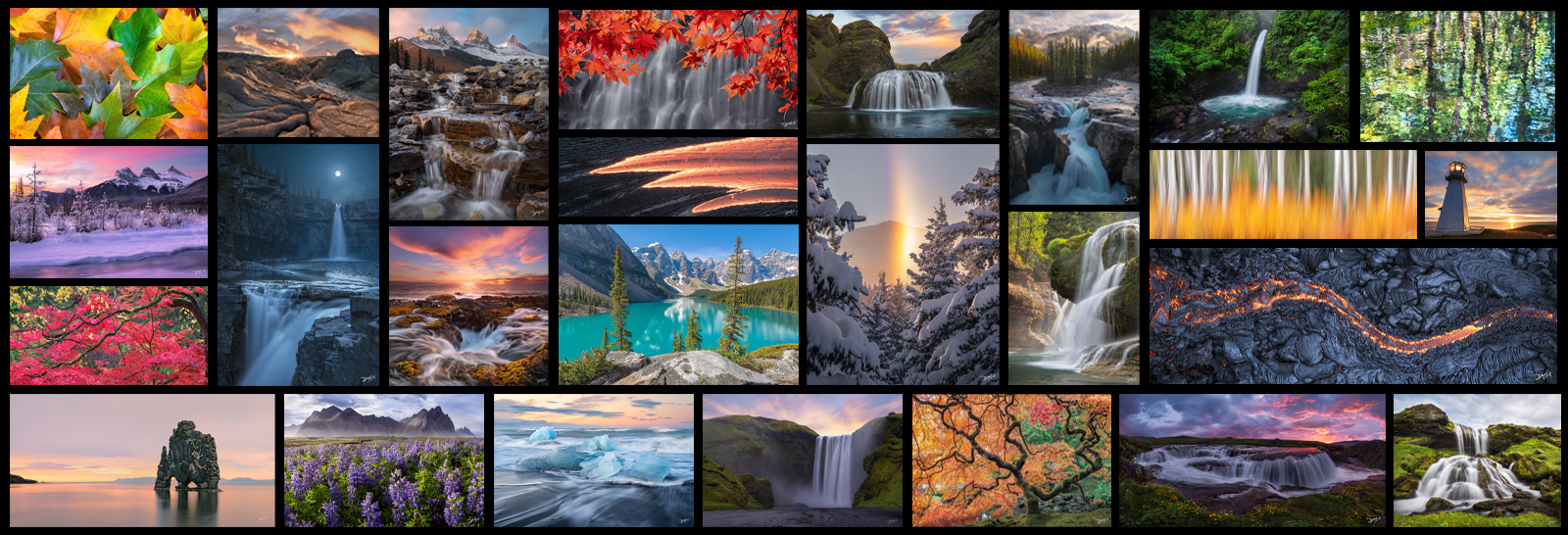
What is Earth Day? Meaning, History, & How to Celebrate (2026)
Earth Day is a global celebration dedicated to protecting our planet, raising awareness about environmental issues, and inspiring collective action. Observed every year on April 22, it unites people from more than 190 countries in a shared mission: caring for the Earth we all call home.
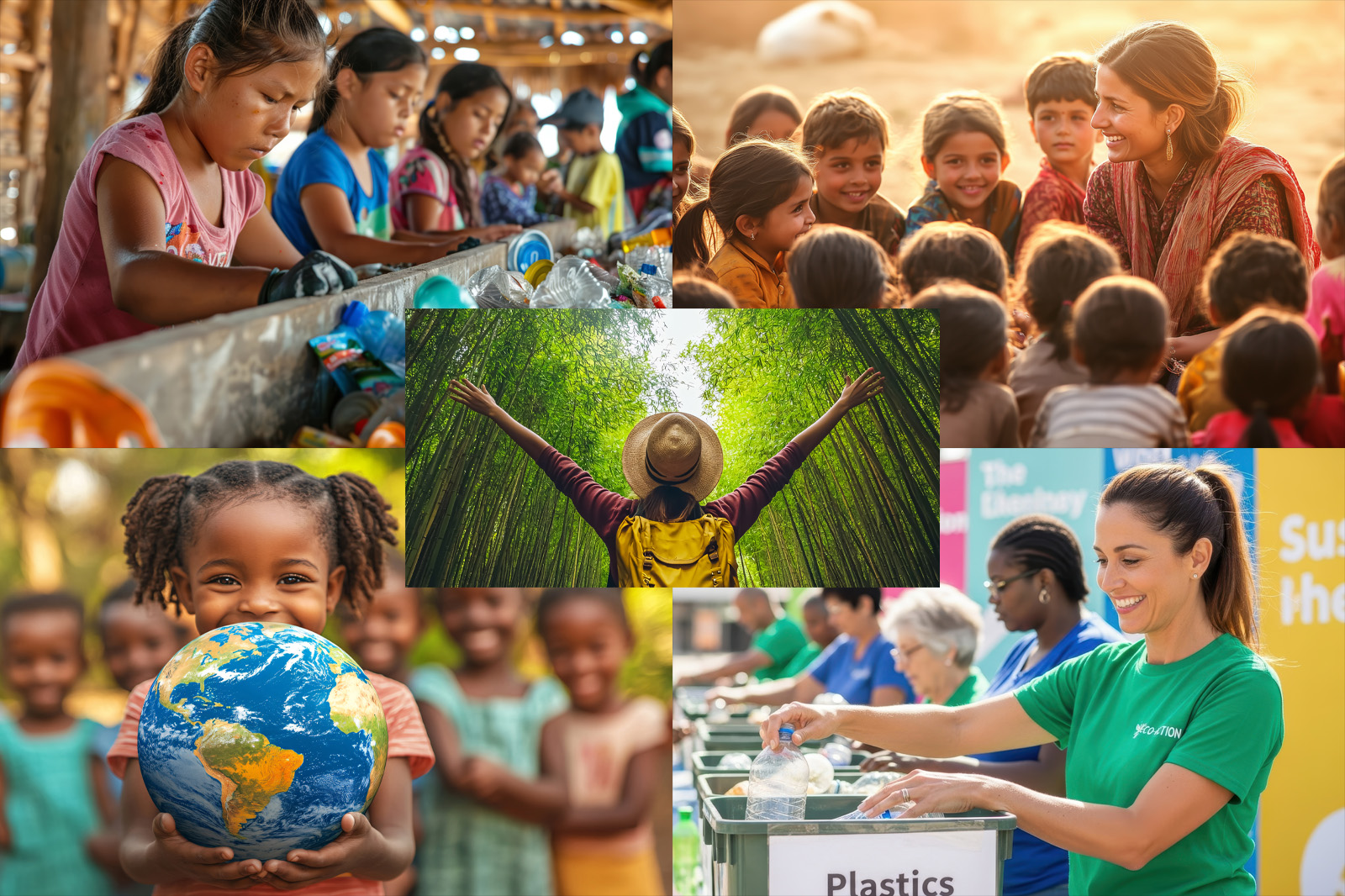
Whether through tree planting, cleanup projects, or simple daily choices, Earth Day encourages us to take meaningful steps toward a healthier, more sustainable future.
What Is Earth Day?
Earth Day is an annual event that highlights the importance of environmental conservation and sustainability. It is a day when individuals, schools, businesses, and governments come together to recognize the beauty of our natural world and the urgent need to protect it.
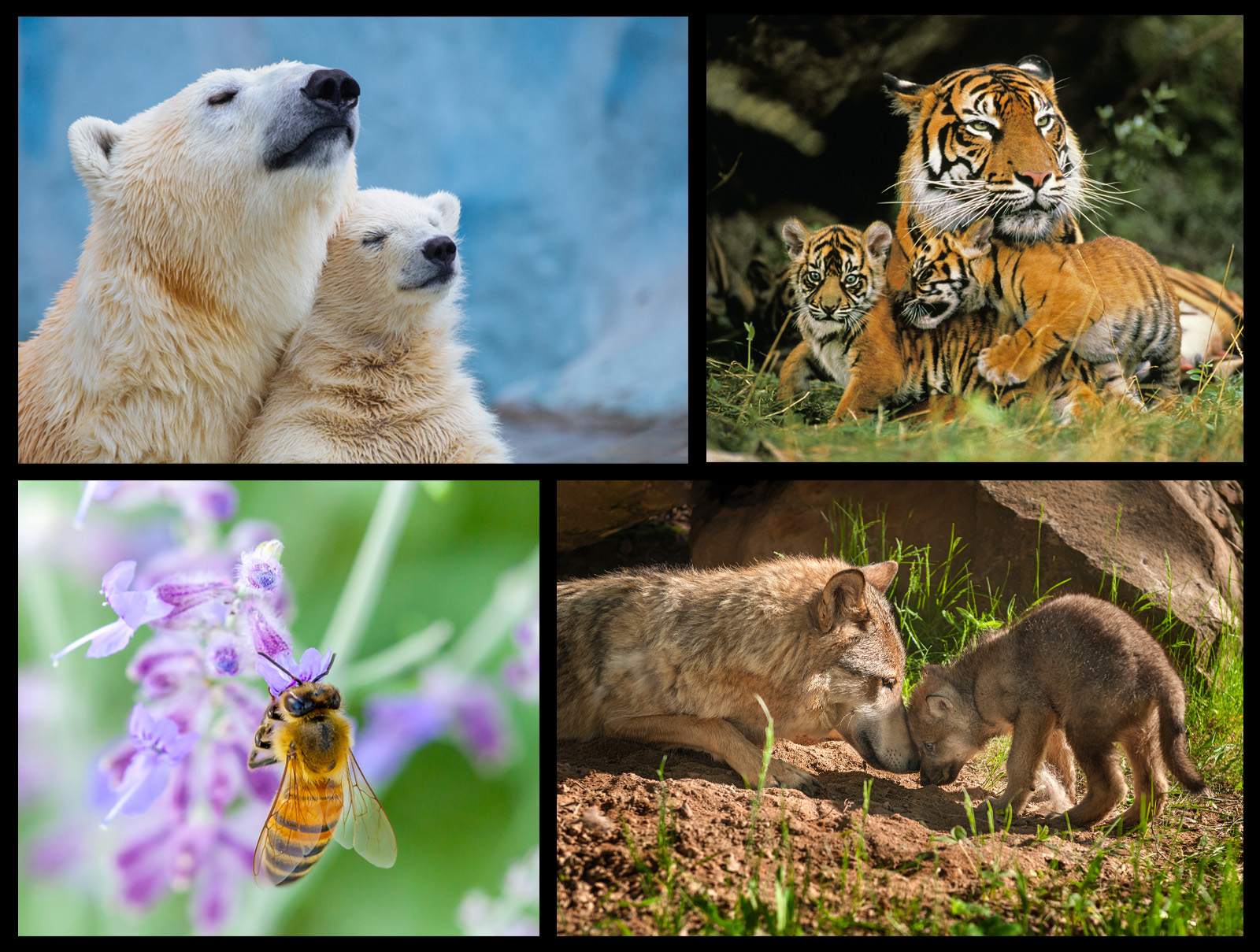
From air and water quality to wildlife conservation and climate action, Earth Day brings global attention to the challenges—and solutions—that shape our future.
When Is Earth Day Celebrated?
Earth Day is celebrated every year on April 22. This springtime date was chosen to maximize participation from students, educators, and communities.

Today, Earth Day is recognized as the largest secular observance in the world, with over a billion people taking part in activities ranging from grassroots cleanups to international policy discussions. The United Nations also marks International Mother Earth Day on the same date, further emphasizing its global significance.
The History of Earth Day
The first Earth Day took place in 1970, spearheaded by U.S. Senator Gaylord Nelson after growing concern over pollution and environmental destruction. That landmark event mobilized 20 million Americans and sparked the creation of key legislation, including the Clean Air Act and the Endangered Species Act.

Over the decades, Earth Day has continued to evolve, inspiring global climate marches, sustainability campaigns, and landmark agreements such as the Paris Climate Accord. What began as a national teach-in on the environment has grown into a worldwide movement that continues to shape environmental awareness today.
Why Do We Celebrate Earth Day?
Earth Day reminds us that the Earth’s resources are finite and fragile. It’s a call to action against threats like climate change, deforestation, and plastic pollution. By celebrating Earth Day, we reaffirm our responsibility to protect the planet—not only for ourselves but for future generations.

It’s also a chance to educate, inspire, and connect communities. Whether you’re a teacher leading classroom activities, a company launching a sustainability initiative, or an individual choosing greener habits, Earth Day highlights the collective power of small actions.
How to Celebrate Earth Day

There are countless ways to participate in Earth Day, from simple daily changes to organized community events:
- Plant a tree or start a garden to support local biodiversity.
- Join a cleanup in your neighborhood, park, or beach.
- Reduce waste by practicing recycling, composting, and mindful consumption.
- Go car-free for a day by walking, cycling, or using public transit.
- Teach and learn by engaging students with environmental projects or lessons.
- Support conservation groups working to protect ecosystems worldwide.
No matter how small the action, each step contributes to a global movement for a healthier planet.

Earth Day 2025 Theme
Each year, Earth Day carries an official theme chosen by Earthday.org. For 2025, the theme is OUR POWER, OUR PLANET, calling for everyone to unite around renewable energy so we can triple clean electricity by 2030.

The theme highlights urgent environmental challenges and focuses global attention on solutions. The Earth Day 2025 theme continues this tradition by encouraging individuals and communities to take action in meaningful, measurable ways.
Earth Day Quotes & Inspiration
Sometimes, the simplest words spark the greatest change. Here are a few Earth Day quotes to inspire action:
- “The Earth is what we all have in common.” – Wendell Berry
- “In nature, nothing exists alone.” – Rachel Carson
- “The Earth does not belong to us: we belong to the Earth.” – Marlee Matlin
Frequently Asked Questions About Earth Day
Who founded Earth Day?
Earth Day was founded in 1970 by U.S. Senator Gaylord Nelson.
How many countries celebrate Earth Day?
Today, Earth Day is observed in more than 190 countries worldwide.
Is Earth Day the same as Arbor Day?
No. Arbor Day focuses specifically on planting trees, while Earth Day addresses a wide range of environmental issues.
What can kids do for Earth Day?
Children can participate by planting seeds, learning about recycling, and joining school-organized activities.
What is the Earth Day color or symbol?
Green and blue are commonly associated with Earth Day, representing nature and the planet.
Conclusion
Earth Day is more than just a date on the calendar—it’s a reminder of our shared responsibility to care for the planet. From its origins in 1970 to today’s global movement, Earth Day continues to inspire action, education, and hope.
This April 22, take a moment to reflect on your connection to the natural world and find a way—big or small—to make a difference. Together, we can ensure that Earth remains a vibrant home for generations to come.
Bring the Beauty of Nature Into Your Home
As a landscape photographer inspired by the natural world, my fine art prints are a way to bring Earth’s beauty into your home year-round. Browse my Landscape and Nature Photography Print Gallery to celebrate Earth Day every day.