
What Makes a Photograph Fine Art
Understanding Fine Art Photography
There’s a moment when a photograph stops being just a record of a place, and becomes something else entirely. Not because of what it shows, but because of how it was made, and how it is meant to be experienced.
Fine art photography isn’t really a strict category with rules. It’s more of a way of working — and a way of seeing.
So what makes a photograph fine art? At its core, it begins with intention.
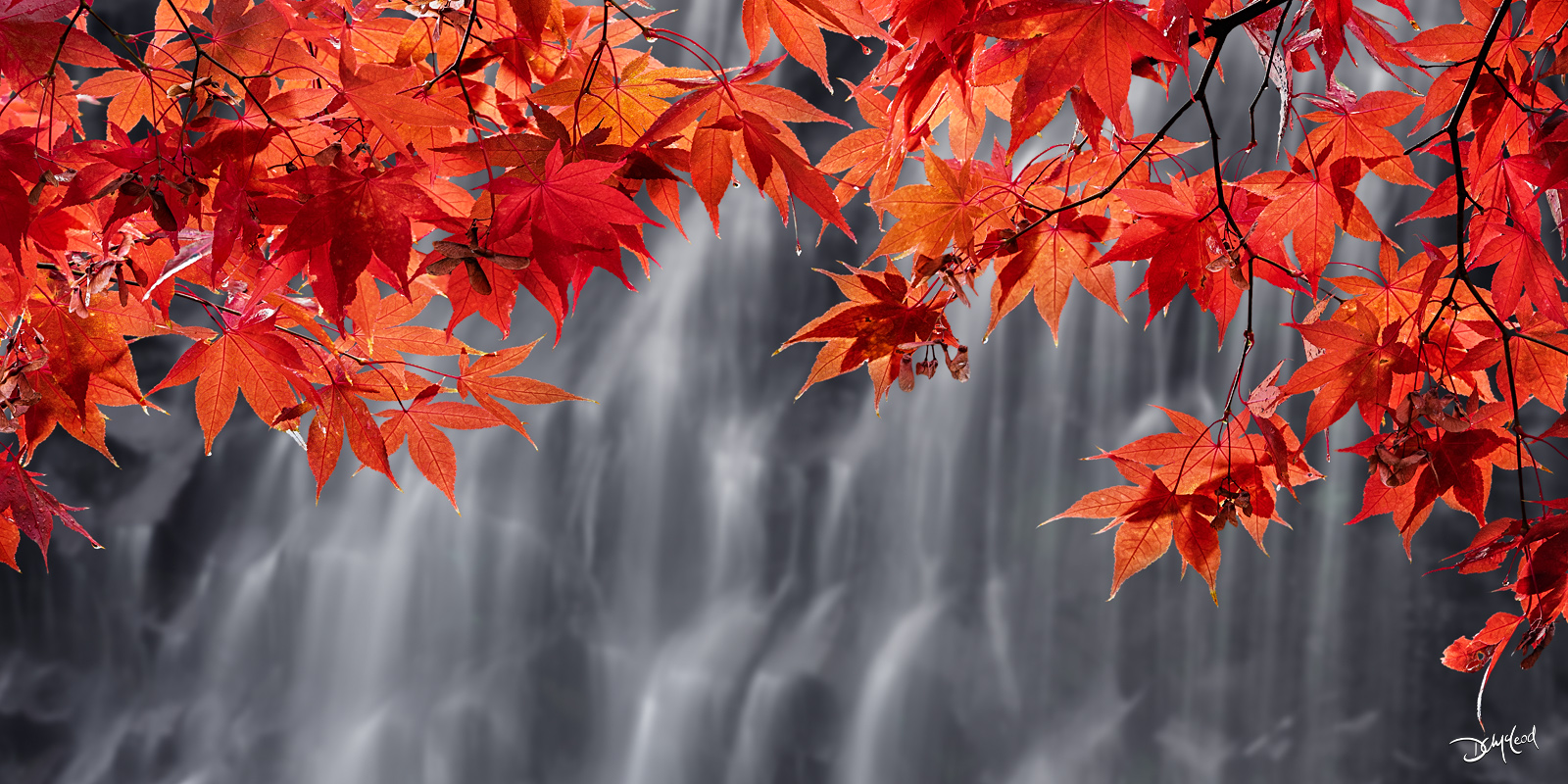
Some photographs are created to document. Others are created to express how a place felt — the atmosphere, the light, and the sense of being there in a moment that will never quite repeat in the same way again. A mountain range in shifting weather, a valley filled with low morning fog, a horizon that feels larger than expectation. It isn’t about capturing everything. It’s about choosing what matters.
In landscape photography especially, that often means returning repeatedly to the same places, waiting for conditions that may only exist briefly. Light, weather, season, and atmosphere all shape how the landscape is ultimately experienced in the image.
From Image to Object
A photograph doesn’t really become fine art until it moves beyond the screen. The printed work changes everything.
Surface, scale, texture, and tonal depth all affect how the image is experienced in a space. At larger sizes especially, subtle transitions in light and atmosphere become more present. Blacks feel deeper, highlights carry more nuance, and details that might be overlooked on a screen begin to hold their own weight in the composition.
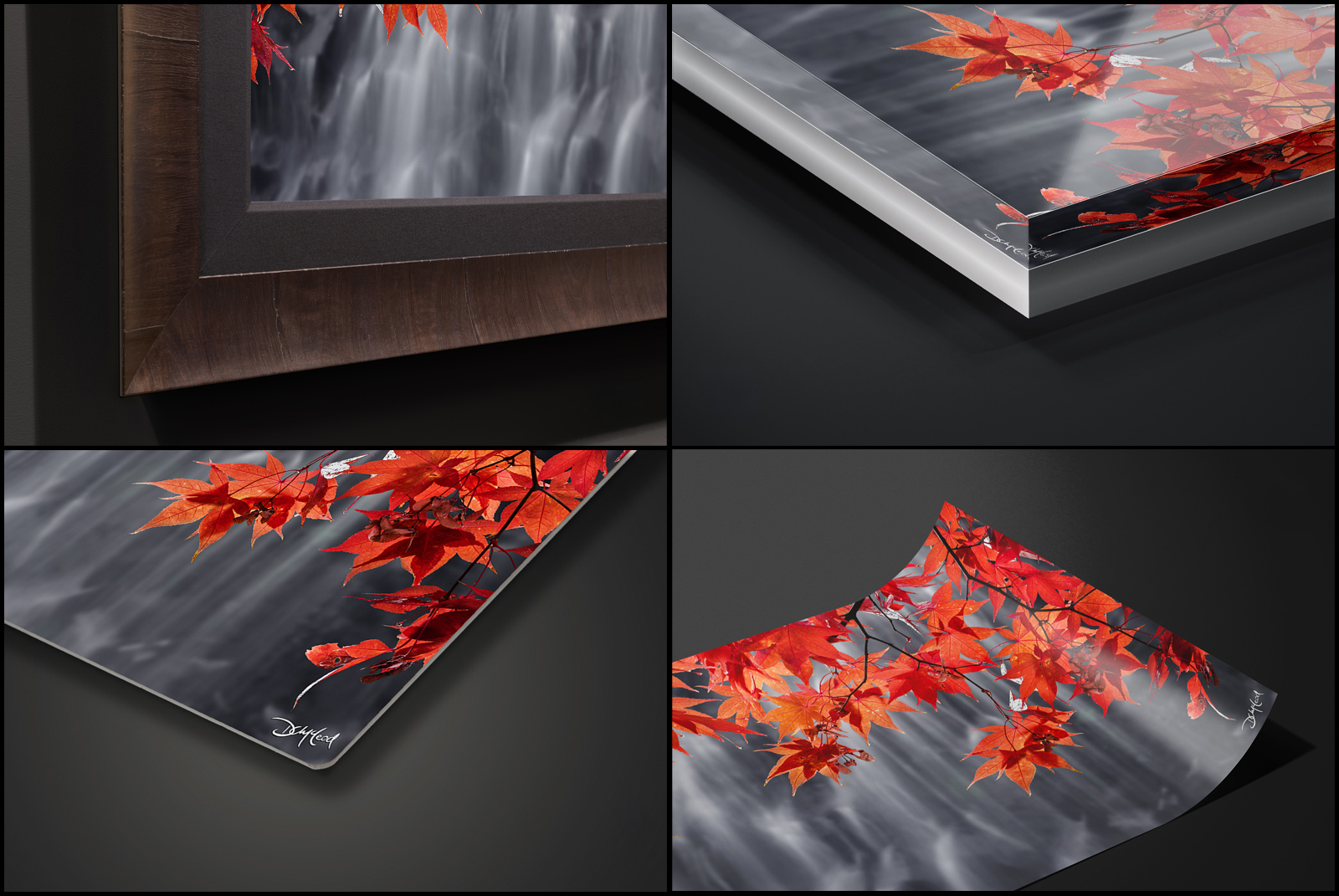
At that point, the photograph stops being something you look at briefly and becomes something you live with. That shift — from image to object — is where much of the meaning sits.
Editions, Value, and the Idea of Limitation
Another part of fine art photography is how the work is released. Not everything is made endlessly available.
Limiting editions isn’t about artificial scarcity — it’s about clarity and intention. Each print becomes part of a defined body of work rather than an endlessly reproduced file. For collectors, this changes how the piece is perceived.
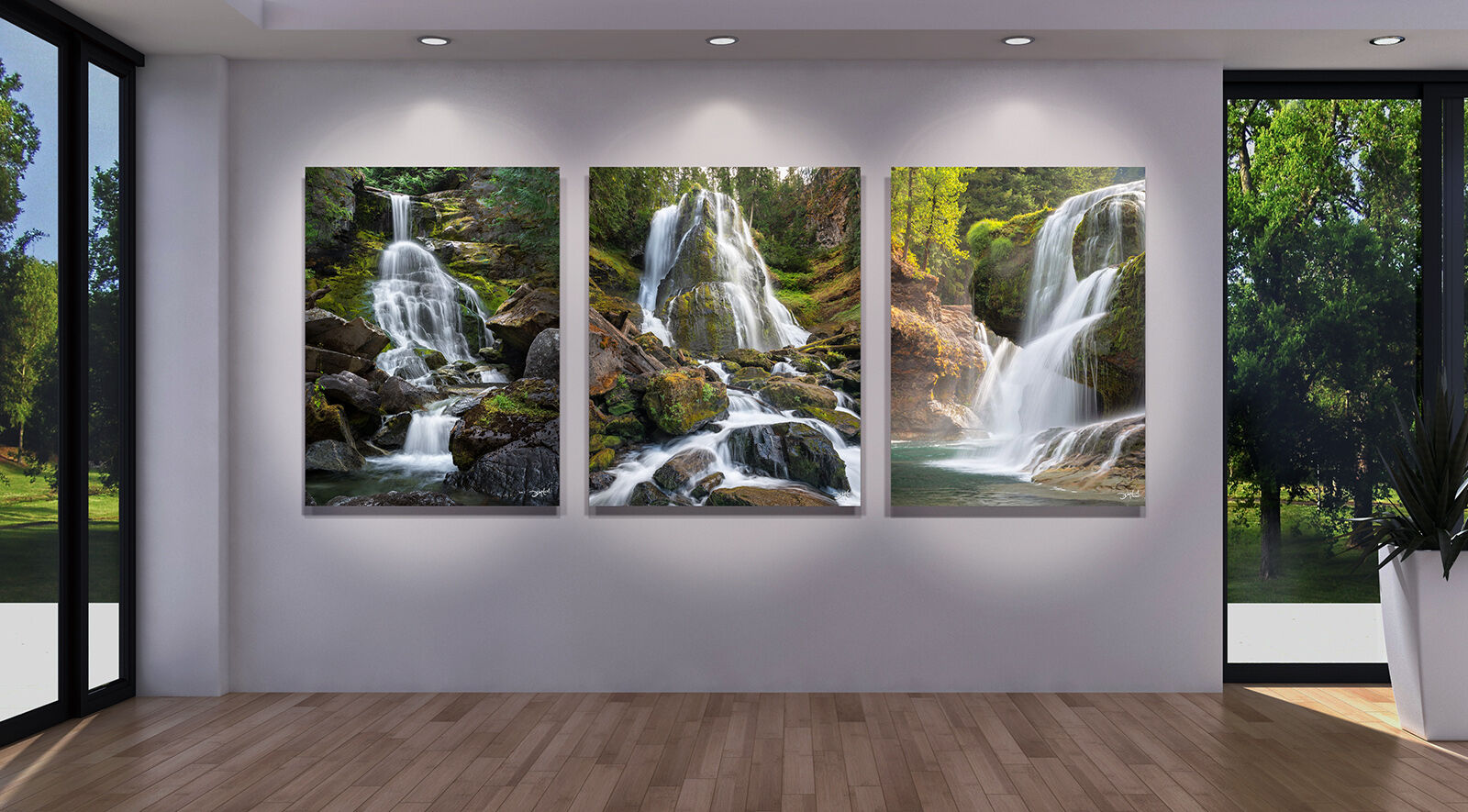
It feels less like decoration and more like part of a larger practice — a continuation of the photographer’s work over time. That sense of continuity matters. It places the work in context and gives it a sense of permanence beyond the image itself.
Where Fine Art and Decoration Separate
The same photograph can exist in completely different worlds depending on how it is used. A landscape on a poster is decorative. The same landscape, printed and presented with intention, becomes something else.
Fine art photography isn’t about subject matter — it’s about presence. It doesn’t just fill space; it changes how a space feels.
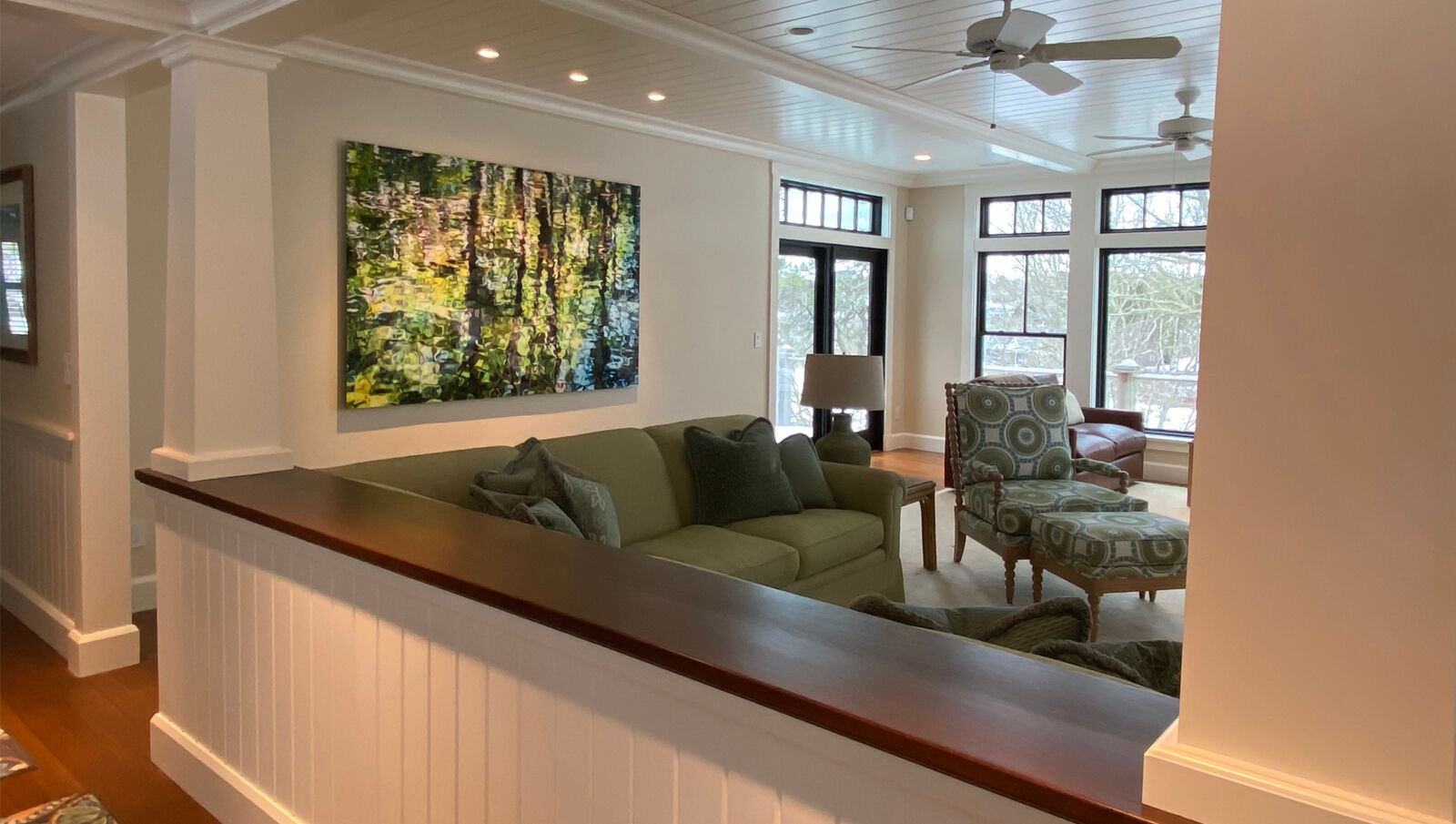
Where decorative imagery often draws attention to itself, fine art photography tends to settle into a room. It creates atmosphere rather than interruption — a quieter sense of scale and pause within a room.
Why It Resonates With People
For many people, the connection to fine art photography isn’t technical at all — it’s emotional.
An image often carries more than what it shows. It can hold memory, travel, distance, or a feeling that isn’t easy to put into words. A mountain landscape might remind someone of stillness they haven’t felt in years, while a coastal scene might bring back a sense of openness, or a remote valley might reconnect them to a moment of clarity or escape.

Even when the viewer hasn’t been to that exact place, the feeling can still be familiar. That’s often where the connection happens — not in recognition, but in response.
Living With the Work
When a photograph enters a home, it changes again. It becomes part of the environment it now exists within.
Light in the room, scale on the wall, and surrounding space all influence how it is experienced day to day. A large landscape print can quietly anchor a room, not by dominating it, but by introducing depth — a sense of distance inside a physical space.
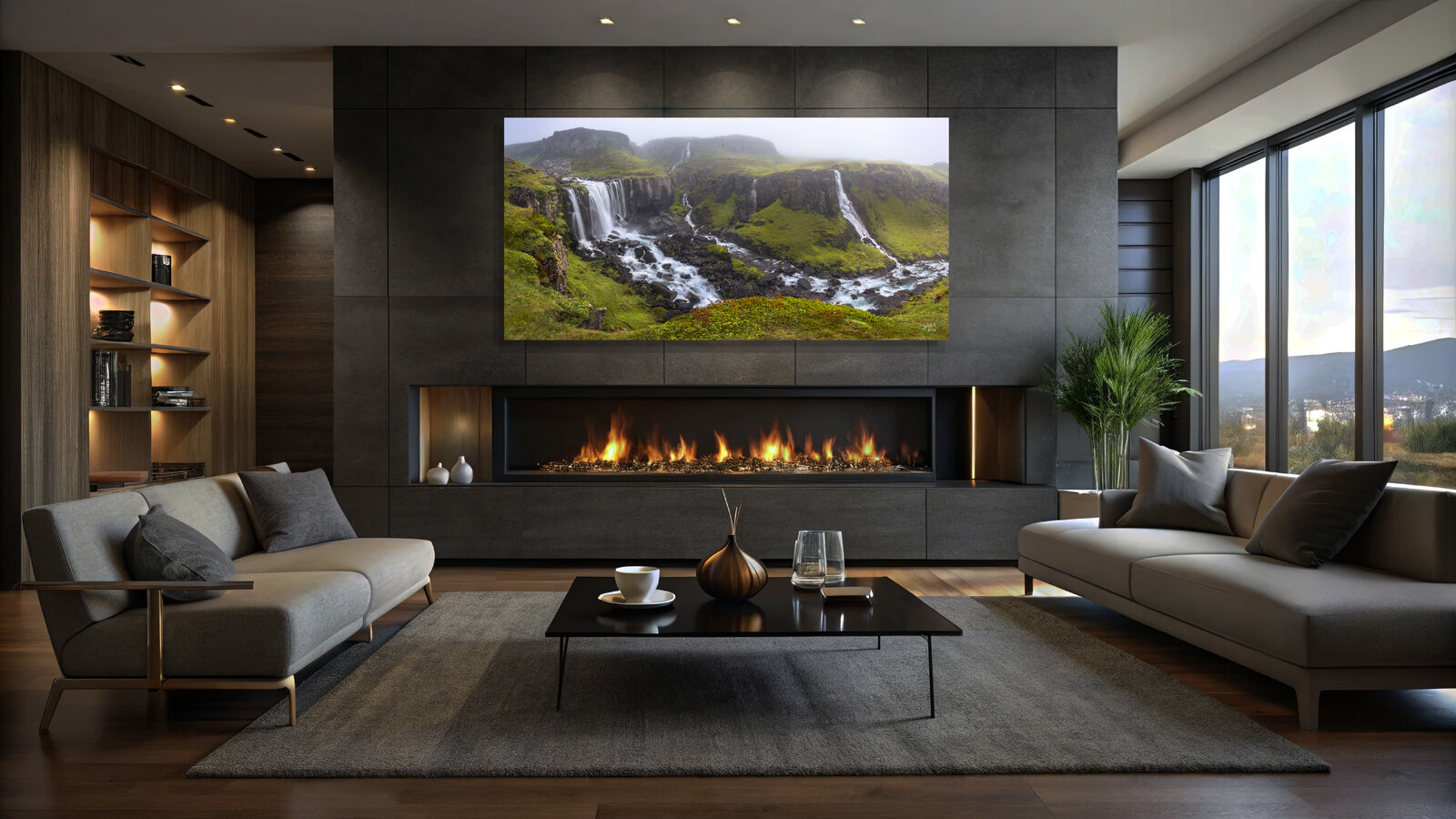
Over time, it stops being “an image on the wall” and becomes part of the atmosphere of the space itself — something that is felt more than noticed.
The relationship also changes over time. A photograph that initially draws attention often becomes quieter and more familiar with repeated viewing, gradually becoming part of the rhythm and atmosphere of the room itself.
Closing Thought
There is no single rule that defines fine art photography. But it tends to share a few consistent qualities.
It begins with intention, not accident. It is made to be printed, not just viewed. It exists with a sense of limitation and care. And it is experienced as something that carries atmosphere, not just imagery.
At its best, it doesn’t try to explain itself. It simply holds a presence — quietly — in the spaces where people live with it.
For those considering bringing that connection into their own space, my guide on How To Buy Fine Art Photography explores the practical decisions involved in choosing artwork you will appreciate for years to come.
