
The Magic of Lumachrome® Acrylic Fine Art Prints
Lumachrome® acrylic prints are widely regarded by professional photographers as one of the finest forms of photographic presentation available today. Extraordinary detail, vibrant colour, remarkable depth, and exceptional archival longevity combine to create an artwork with a presence that is difficult to achieve with other print mediums.
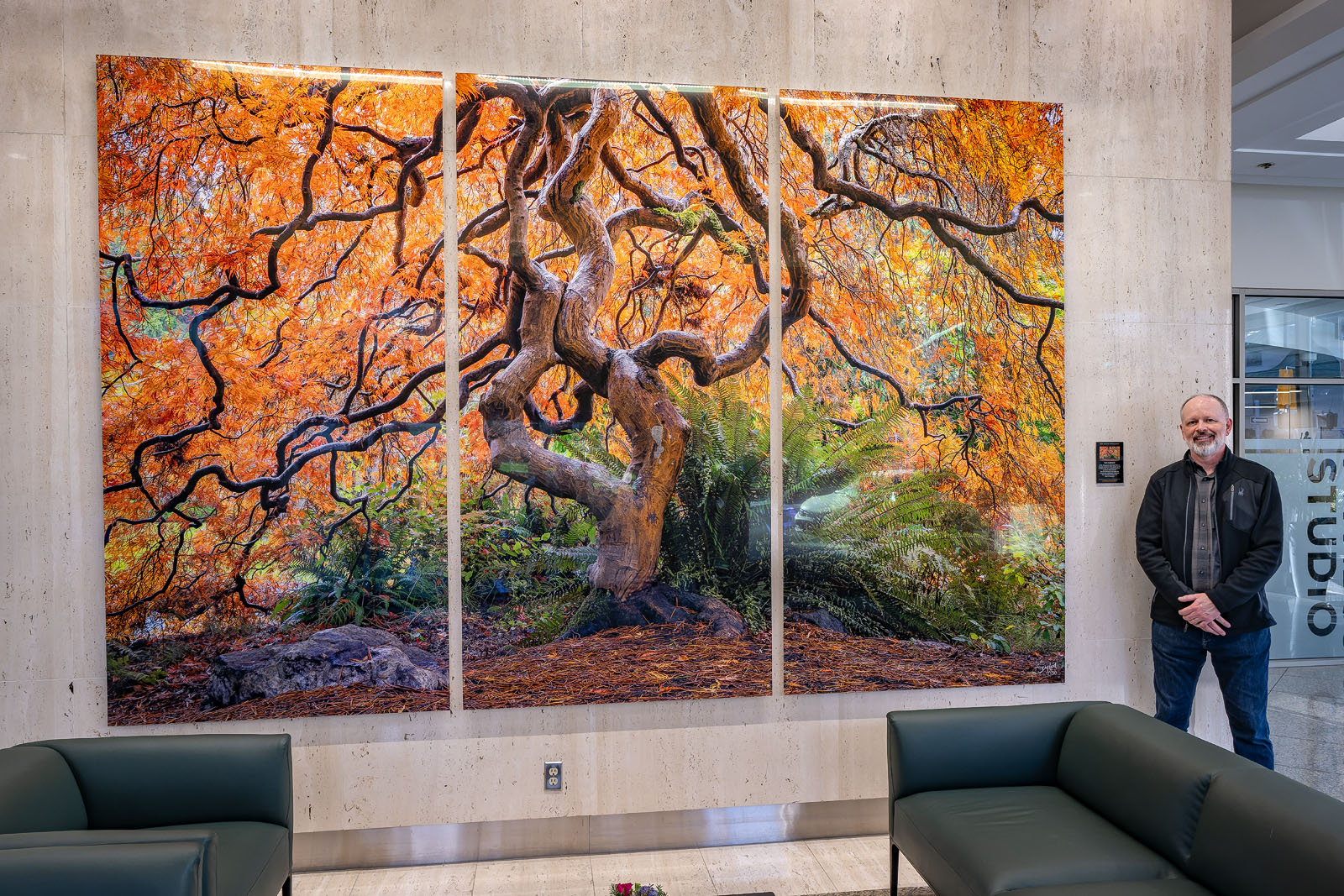
Unlike a conventional photographic print, Lumachrome® was specifically developed for acrylic face mounting. The unique characteristics of the photographic material, combined with TruLife® anti-reflective acrylic and carefully engineered construction, create a distinctive optical experience that can appear almost backlit or holographic when illuminated.
This guide explores what makes Lumachrome® so distinctive—from the proprietary printing process and layered construction to the optical qualities of acrylic, the importance of lighting, archival longevity, care, and choosing the right environment for your artwork.
In This Guide
- What Is Lumachrome®?
- How Lumachrome® Acrylic Prints Are Constructed
- The Remarkable 3D and Holographic Effect
- Why TruLife® Acrylic Matters
- The Luminous Backlit Effect
- The Importance of Accent Lighting
- Choosing the Right Location
- Longevity and Archival Quality
- Caring for Your Lumachrome® Print
- Frequently Asked Questions
- Experience Lumachrome® on Your Wall
- Final Thoughts
What Is Lumachrome®?
Lumachrome® is a proprietary photographic printing process developed by master printer Robert Park specifically for acrylic face mounting.
Rather than adapting a conventional photographic paper or inkjet process for acrylic presentation, Robert developed Lumachrome® to overcome the limitations of existing photographic materials—particularly Fujiflex, which was considered the benchmark for high-end photographic printing at the time—and take full advantage of the unique optical qualities of acrylic.
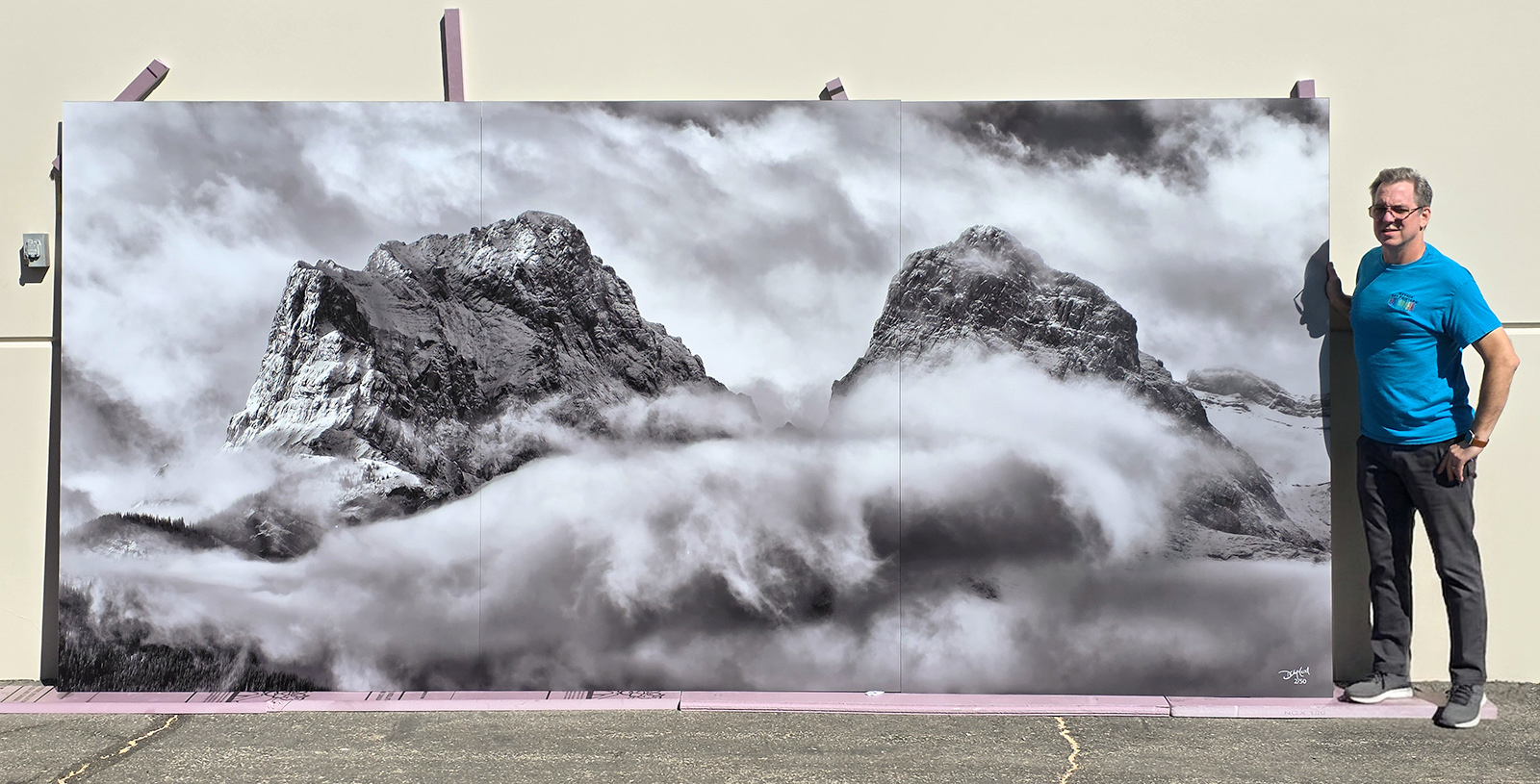
At the heart of the process is a specialized photographic transparency material that is fundamentally different from ordinary photographic paper. When held up to light, the material is almost translucent, allowing light to interact with the image in ways that contribute to Lumachrome's characteristic glow.
The material is infused with iridium particles and is capable of reproducing a remarkably wide range of colour, highlights, shadows, and fine detail. Lumachrome® is printed at an extraordinary 1,200 DPI (dots per inch), using advanced 16-bit technology to produce exceptionally smooth tonal transitions.
Custom colour profiles and a carefully tuned printing process are then used to optimize colour accuracy and extract the full tonal range of the finished image.
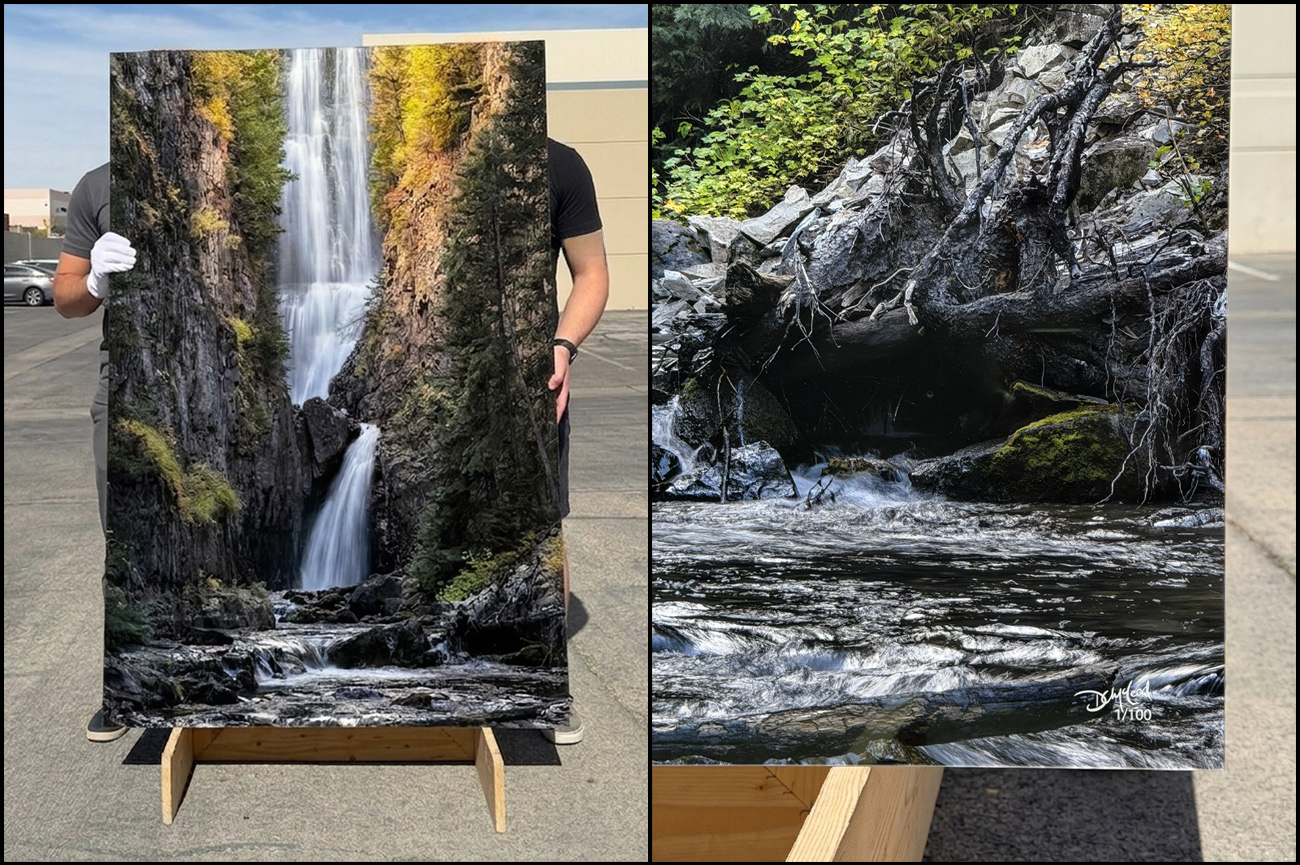
The result is a print with remarkable resolution and tonal smoothness, retaining crisp detail while preserving subtle information in both the brightest highlights and deepest shadows.
But the printing process is only part of what makes Lumachrome® unique. The specialized image material is designed to work as part of a complete acrylic face-mounted system, where multiple layers and light interact to produce the finished appearance.
How Lumachrome® Acrylic Prints Are Constructed
A Lumachrome® print is more than a photographic image mounted behind acrylic. Its distinctive presentation comes from the interaction of several carefully selected layers, each playing a specific role in the finished artwork.
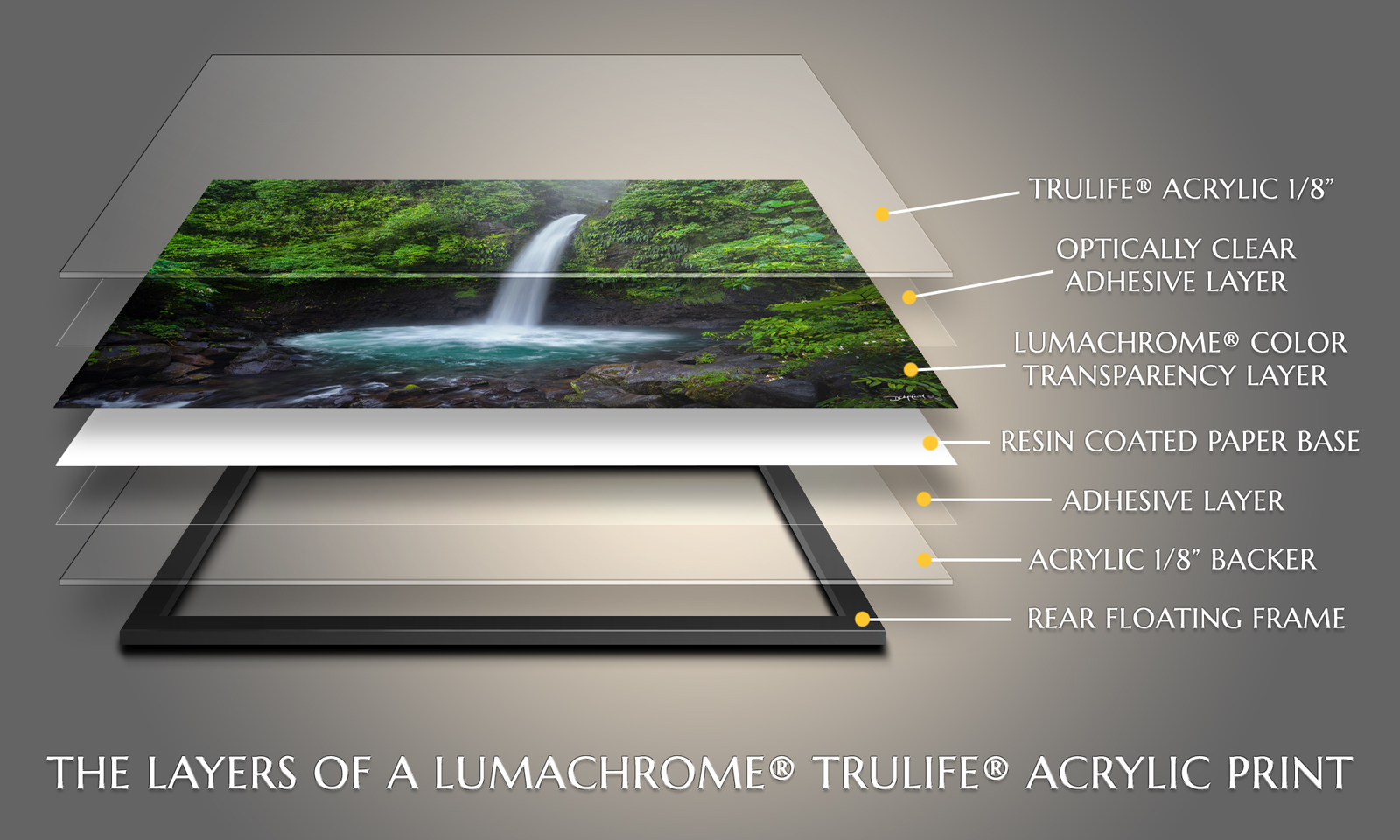
At the front of the artwork is a sheet of TruLife® acrylic, an optically engineered material specifically designed for fine art presentation. Its exceptional clarity and anti-reflective properties allow the image beneath it to remain clear while minimizing distracting reflections.
Behind the acrylic is the Lumachrome® photographic image layer. Next, a carefully selected resin-coated paper is positioned behind the image material, providing the white foundation that supports the colour and tonal characteristics of the finished print. A 1/8-inch acrylic backer is then positioned behind it, matching the thickness of the TruLife® acrylic on the front.
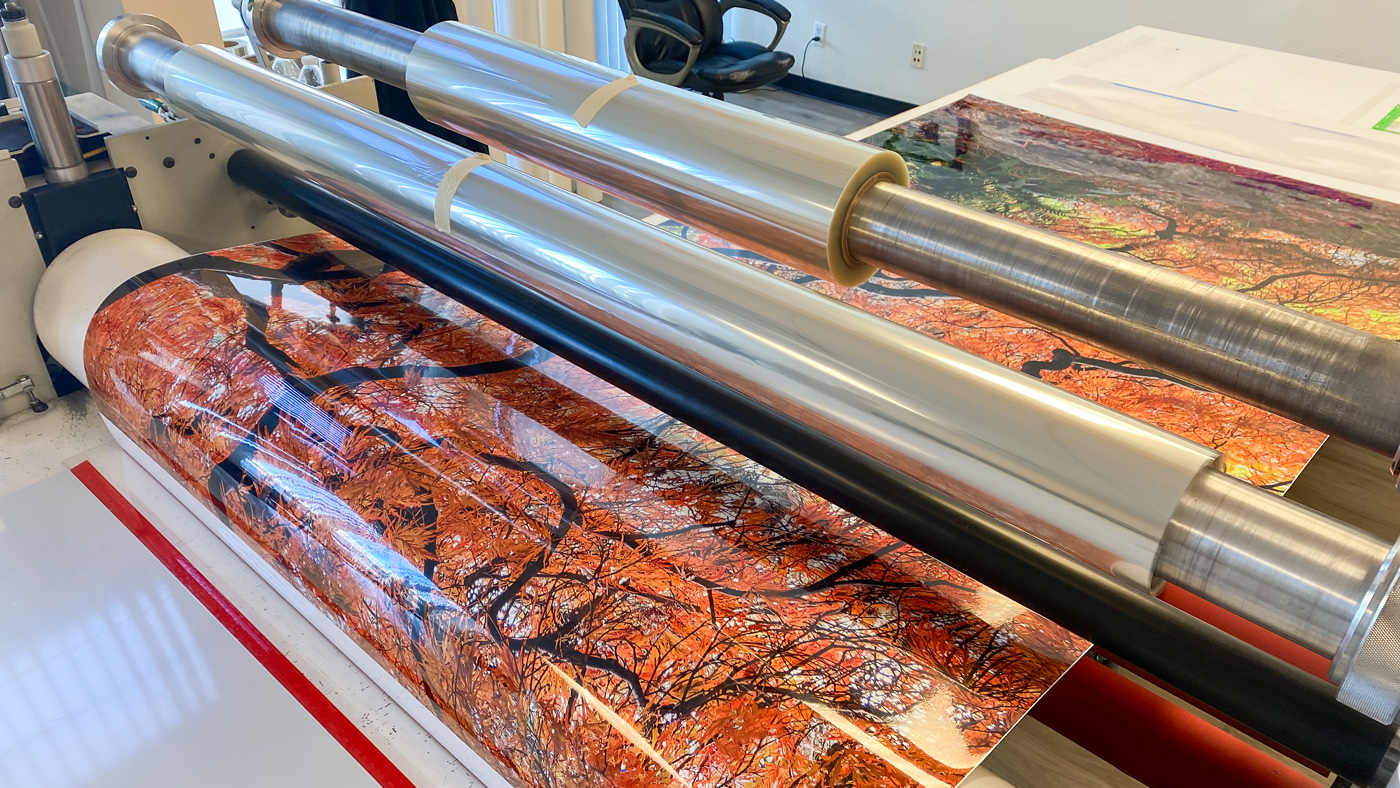
The layers are then hermetically sealed and bonded together using a carefully selected silicone-based acrylic adhesive. The adhesive is formulated for clarity, pH balance, UV filtering, and long-term stability, while avoiding materials that can release acidic compounds over time. Together, these layers form a rigid assembly designed to protect the artwork from moisture and environmental exposure.
The completed face-mount construction creates a physical separation between the viewer and the image, which is suspended behind a substantial layer of optically clear acrylic.
Therefore, the image isn't being viewed on a surface. You're looking into a layered optical structure.
That is one of the fundamental differences between a Lumachrome® acrylic print and a conventional photographic print. The image, materials, and light work together as a single presentation rather than simply placing a photograph behind a protective covering.
The Remarkable 3D and Holographic Effect
The three-dimensional quality of Lumachrome® is difficult to appreciate until you see it in person. Photographs that appear relatively flat on a monitor or conventional print can take on an unexpected sense of depth when presented as a Lumachrome® acrylic.
The effect is particularly compelling in landscapes. A foreground rock may seem to project toward the viewer while a distant mountain range recedes into the scene. Atmospheric layers can become more pronounced, creating a greater sense of separation between elements at different distances. The photograph begins to feel less like a flat reproduction and more like a space you are looking into.
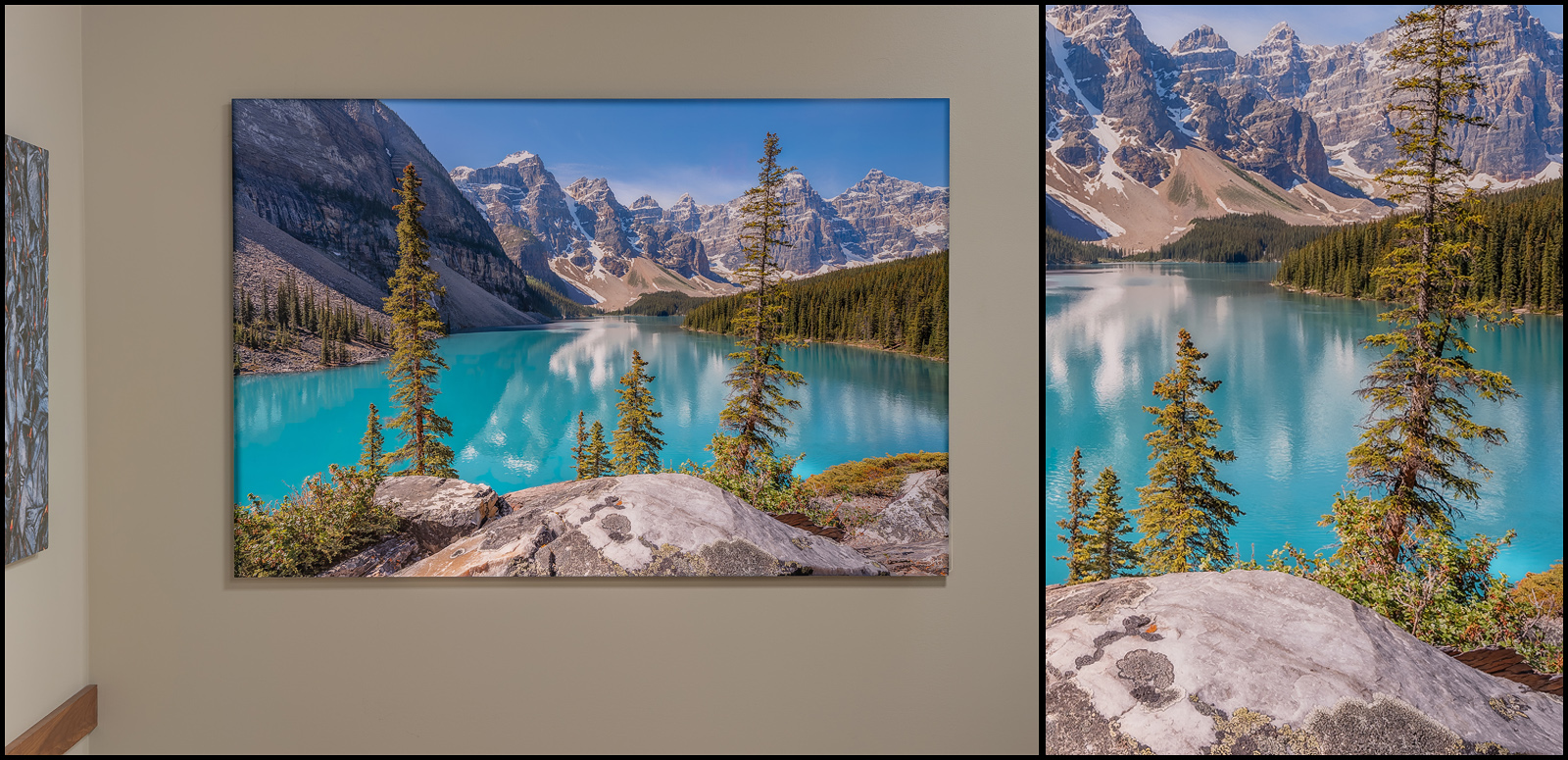
This is why Lumachrome® is sometimes described as having a holographic quality. It isn't a literal hologram, and there is no simulated 3D effect embedded in the photograph. Rather, the finished presentation creates a convincing sense of depth that can change subtly as you move in relation to the artwork.
The effect becomes even more pronounced with large-format prints. As the artwork occupies more of your field of vision, the photograph becomes increasingly immersive.
It is one of those qualities that words and photographs can describe, but that is ultimately best understood by standing in front of a Lumachrome® print yourself.
Why TruLife® Acrylic Matters
The acrylic on a Lumachrome® print is more than a protective covering. TruLife® is an optically engineered material specifically designed for fine art presentation, and its properties play an important role in how the finished photograph is seen.
Standard acrylic and glass can introduce distracting reflections, particularly when artwork is displayed near windows or in brightly lit rooms. TruLife® is engineered to substantially reduce reflections, allowing the photograph to remain clear and engaging from a much wider range of viewing positions.
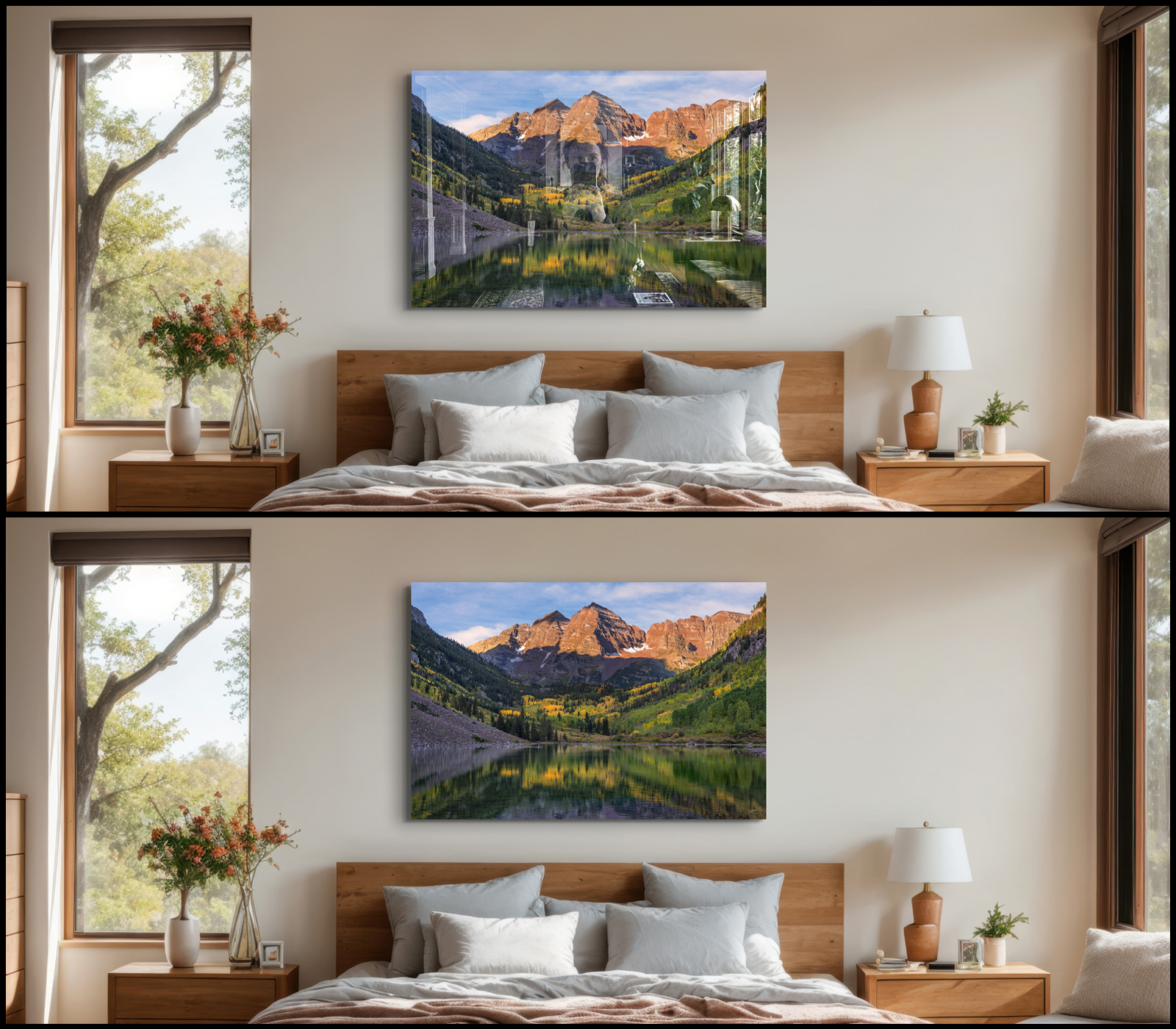
TruLife® also provides 99% UV protection, helping shield the photographic image from ultraviolet exposure. Its optical properties are designed to preserve the colour and tonal character of the Lumachrome® material without introducing the visual distractions associated with conventional glazing.
The viewing surface is also engineered for long-term use. An anti-static surface helps repel dust, while a durable hard coat provides resistance to everyday scratches. TruLife® is also shatter-resistant, an especially useful characteristic for large-format artwork.
The result is a viewing surface that largely disappears from view. Rather than competing with the photograph, TruLife® allows the artwork itself to command attention.
The Luminous “Backlit” Effect
One of the most captivating qualities of acrylic prints is their luminous, almost backlit appearance.
It's often one of the first things people notice when they encounter a Lumachrome® acrylic print in person. At art shows, viewers routinely walk straight toward an acrylic print and ask, “What kind of light do you have behind it?” or “Is it lit from behind?”
There is no light behind the artwork. The effect comes from the way the finished acrylic presentation interacts with accent lighting from the front.
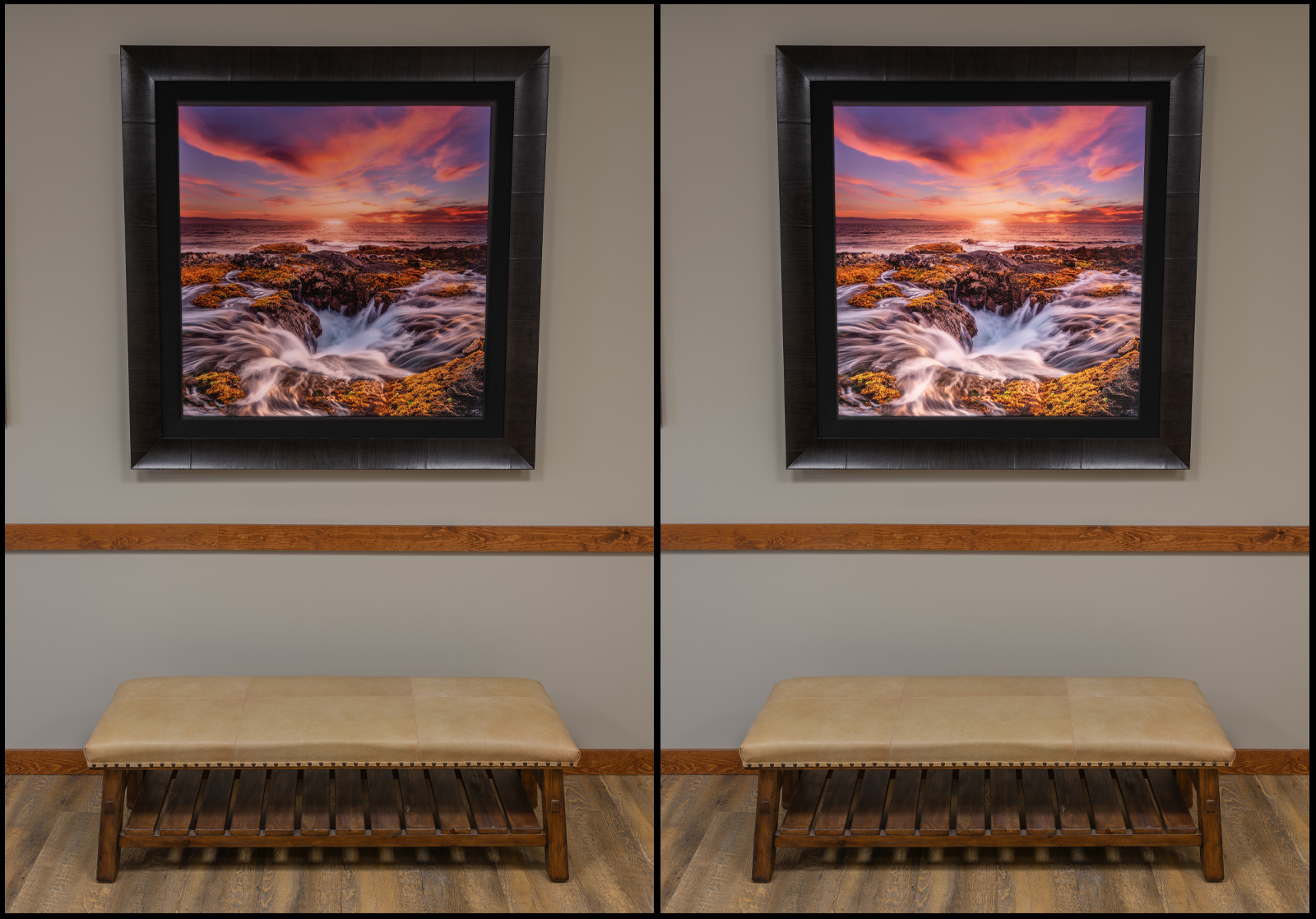
Light enters through the acrylic and interacts with the Lumachrome® image material. Reflected light then interacts with the acrylic, producing the characteristic glow that gives the artwork its illuminated appearance.
This is why acrylic prints can sometimes appear almost backlit or holographic, even though no illumination is actually coming from behind the artwork.
The Importance of Accent Lighting
While a Lumachrome® print can look beautiful in natural daylight, thoughtful accent lighting can transform its presence in the evening. Well-positioned, high-quality LED fixtures can bring out subtle variations in the image while helping the artwork become a focal point within the room.
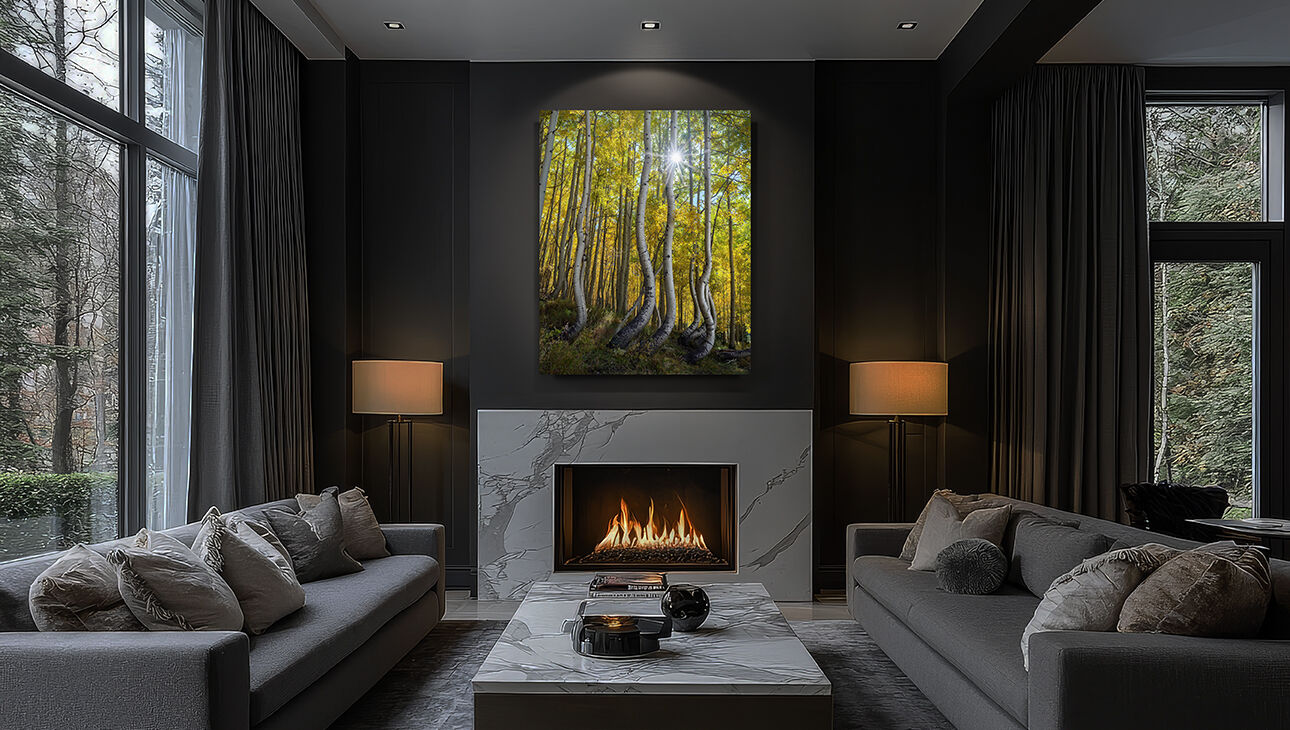
For the most natural colour reproduction, choose LED bulbs with a high colour-rendering index (CRI) and a colour temperature that complements the surrounding space. Neutral to slightly warm white light, typically around 3000–4000K, works well for many interiors.
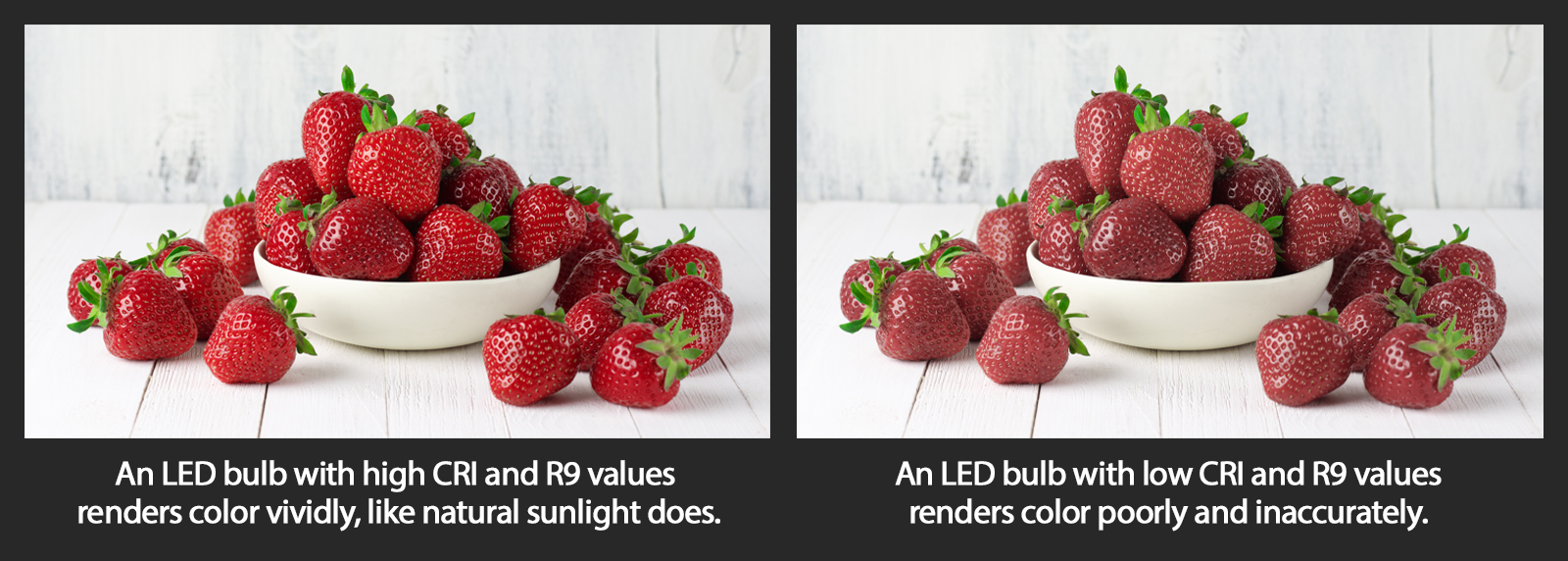
The goal isn't simply to make the artwork brighter. The best lighting is subtle and controlled, drawing attention to the artwork without creating distracting glare or overpowering the surrounding space.
For more guidance, see How to Light Photography Prints and Artwork.
Choosing the Right Location
Lumachrome® acrylic can work beautifully in a wide range of interiors, from living rooms and bedrooms to offices, entryways, and large architectural spaces. Because the artwork is rigid and protected behind TruLife® acrylic, it is also well suited to environments where a traditional paper-based print may be less practical.
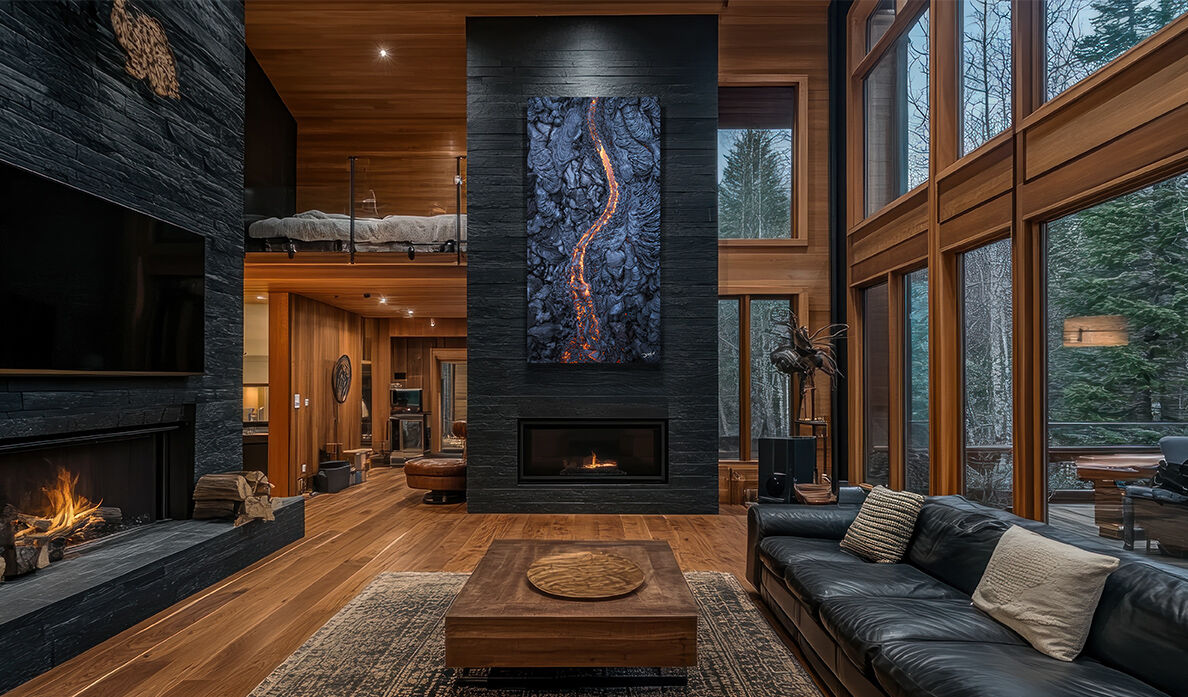
Consider the relationship between the artwork, the surrounding architecture, and the available space. Large walls can accommodate substantial Lumachrome® pieces particularly well, while tall walls or vertical architectural features may call for a portrait-oriented composition.
A Particularly Good Choice for Bathrooms
Bathrooms are one environment where Lumachrome® has a practical advantage. When an acrylic backer is specified, the completed print is hermetically sealed, with the photographic image enclosed between the front and back acrylic layers. This construction makes the artwork highly resistant to moisture and humidity.
This makes Lumachrome® acrylic an excellent option for bathrooms and other humid environments where traditional photographic paper or canvas may be less suitable. As with any fine-art installation, however, the artwork should not be exposed to direct water spray or prolonged extreme conditions.
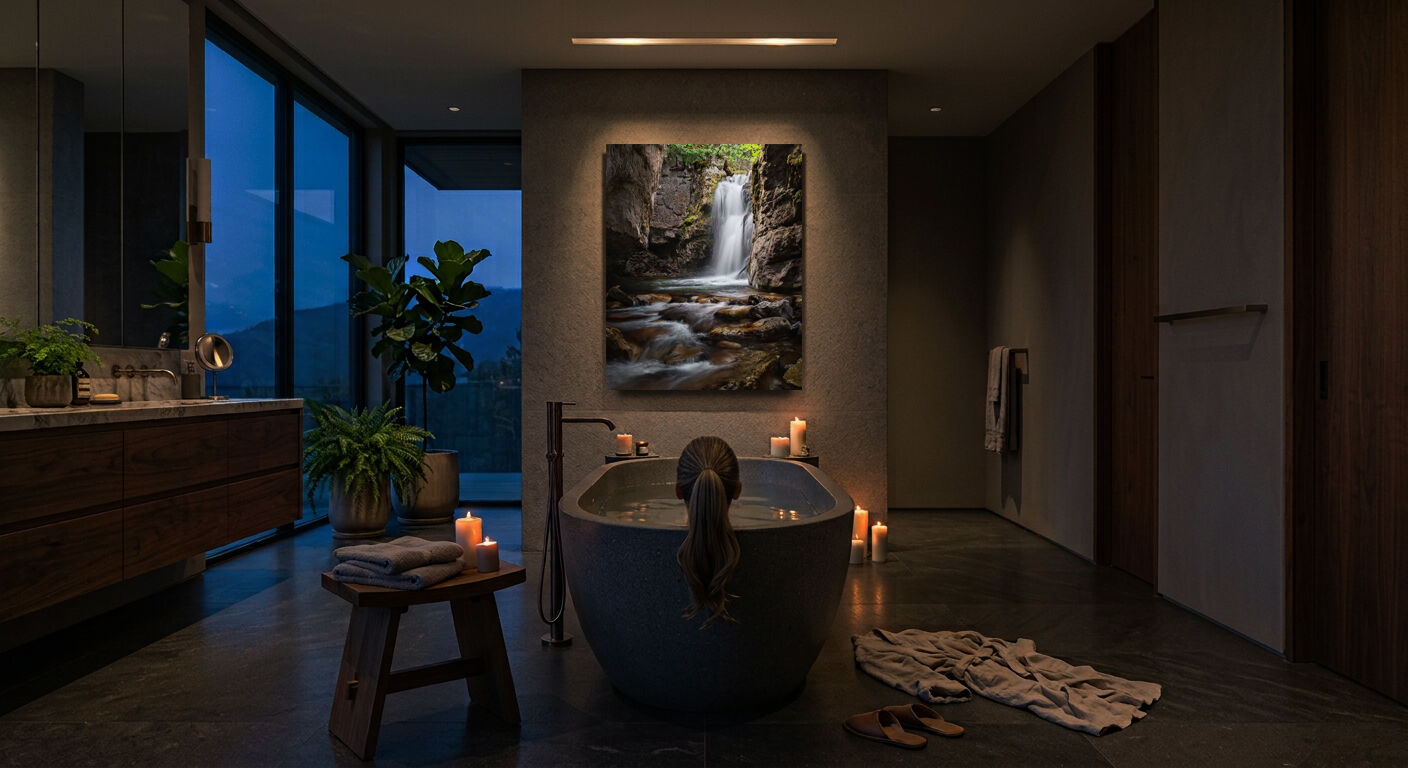
Whether displayed above a freestanding tub, on a feature wall, or in a spacious ensuite, a Lumachrome® can introduce a strong artistic presence while complementing the architecture of the space.
For more detailed guidance on selecting artwork, see How to Choose the Right Artwork for Your Home.
Longevity and Archival Quality
When you invest in fine art photography, you want to know that the artwork will remain beautiful for years to come. Exceptional image stability is one of Lumachrome®'s defining characteristics.

Lumachrome® is rated for 120+ years of display life under typical indoor conditions, providing exceptional longevity for a photographic artwork intended to be enjoyed for decades.
Long-term stability isn't simply about preventing visible fading. It also means preserving the qualities that make a photograph compelling—accurate colour, subtle tonal transitions, and the delicate information contained in highlights and shadows.
The materials and construction described earlier also contribute to the artwork's long-term stability. TruLife® provides up to 99% UV protection, while an acrylic-backed construction can provide a hermetically sealed assembly that helps guard against moisture and environmental exposure.
As with any fine art photograph, sensible placement still matters. Direct sunlight and extreme environmental conditions should be avoided, even with highly archival materials.
The goal is simple: to create an artwork that can be enjoyed not just today, but for decades to come.
A photograph worth investing in should be made to last.
Caring for Your Lumachrome® Print
One of the advantages of a Lumachrome® acrylic print is that it requires very little maintenance. Proper cleaning helps keep the TruLife® surface clear and in excellent condition.
For routine cleaning, gently remove dust with a clean microfiber cloth, using a soft, circular motion. If dry cleaning is not sufficient—particularly for fingerprints, oils, or protective-film adhesive residue—use 99.9% purity isopropyl alcohol, which is widely available at many drug stores and pharmacies.
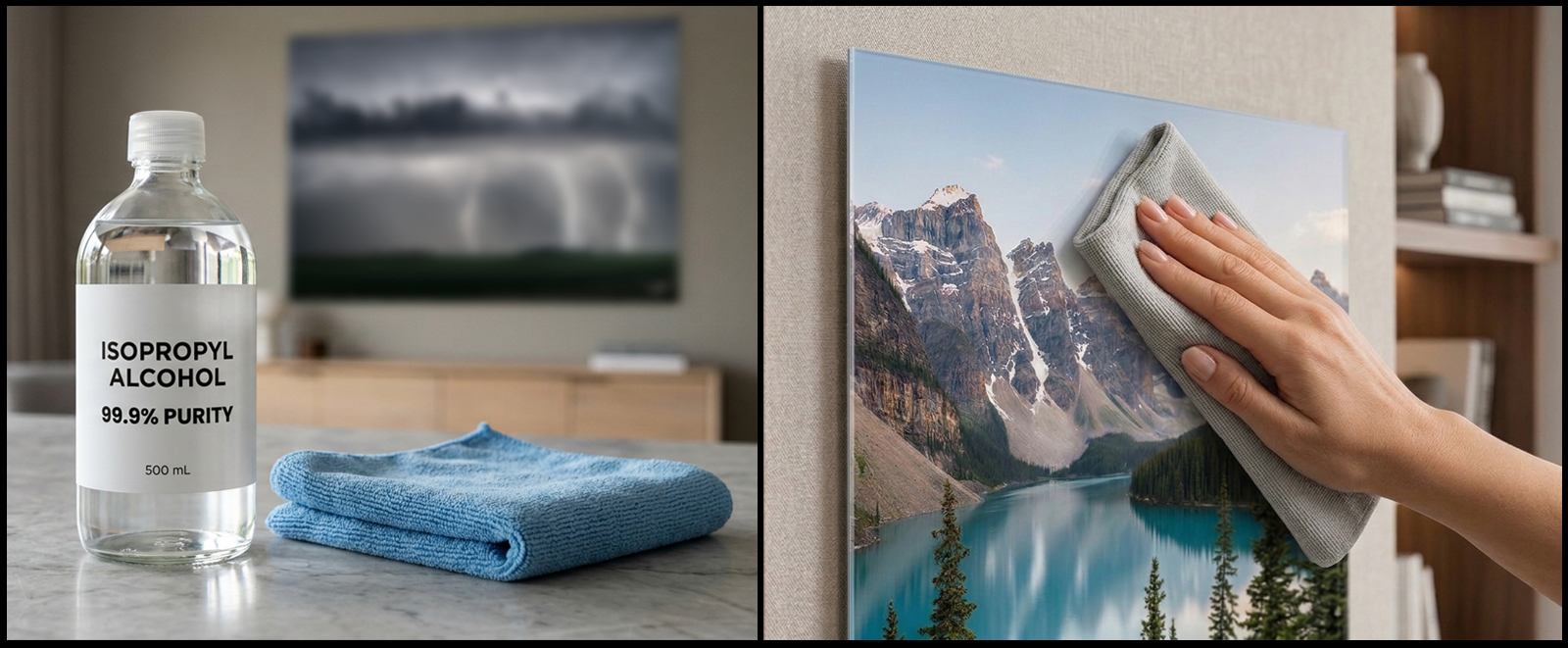
Apply the alcohol to the microfiber cloth rather than directly to the acrylic, and gently wipe the affected area, using a clean section of the cloth as needed.
Do not use 70% rubbing alcohol. It contains water and may contain glycerin, which can leave a residue on the TruLife® surface. High-purity 99.9% isopropyl alcohol is preferred because it leaves virtually no residue, making it particularly effective for removing fingerprints and other oils from the coating.
Do not use dry or gritty cloths, which can scratch the surface and create static. Do not use glass-cleaning sprays, kitchen scouring compounds, acrylic cleaners, or polishing agents. Never attempt to hand-polish or buff scratches, as doing so can damage the coating.
For routine maintenance, dust gently as needed and use 99.9% isopropyl alcohol only when additional cleaning is required. Following these simple precautions will help preserve the TruLife® coating for years to come.
Frequently Asked Questions
Is Lumachrome® the same thing as an acrylic print?
Not exactly. Lumachrome® refers to the specialized photographic printing process and image material, while “acrylic” describes the finished presentation—an image face-mounted behind a sheet of acrylic. Lumachrome® was specifically developed for this method of presentation.
Does TruLife® acrylic eliminate reflections completely?
No. TruLife® is designed to dramatically reduce reflections and glare, but it cannot eliminate them completely under every lighting condition. The amount of reflection you see mostly depends on the artwork's position relative to windows, light fixtures, and other bright surfaces. Thoughtful placement and appropriate accent lighting can help minimize distracting reflections.
Can a Lumachrome® acrylic print be displayed in a bathroom?
Yes—with an important qualification. When an acrylic backer is specified along with a composite (non-wood-based) rear floating frame, the completed print is hermetically sealed, enclosing the photographic image between the front and back acrylic layers. This makes the artwork highly resistant to moisture and humidity. Direct water spray and extreme conditions should still be avoided. The composite rear float frame also helps prevent warping in high-humidity environments. If you intend to install your print in such an area, please specify this when ordering.
How long will a Lumachrome® print last?
Lumachrome® is rated for 120+ years of display life under typical indoor conditions. Long-term stability also depends on the environment, so avoiding direct sunlight and extreme conditions remains good practice. TruLife® acrylic itself provides up to 99% UV protection.
Is Lumachrome® acrylic difficult to maintain?
No. Routine care is simple: gently dust the TruLife® surface with a clean, dry microfiber cloth. If additional cleaning is necessary, use 99.9% isopropyl alcohol as described in the care section of this guide. Avoid abrasive materials, glass cleaners, solvents, acrylic cleaners, and polishing agents.
Can Lumachrome® acrylic prints be framed?
Absolutely. While the clean, frameless presentation is a popular choice for Lumachrome®, acrylic prints can also be beautifully presented in a custom frame. My Charity Edition style combines acrylic prints with a wide range of custom external frames, creating a more traditional and substantial look while preserving the distinctive qualities of the acrylic presentation.
Experience Lumachrome® on Your Wall
Lumachrome® is one of those print processes that is difficult to fully appreciate from a screen. Seeing the finished artwork in person reveals qualities that simply don't translate fully to a monitor, particularly the way the acrylic interacts with light and changes the character of the image.
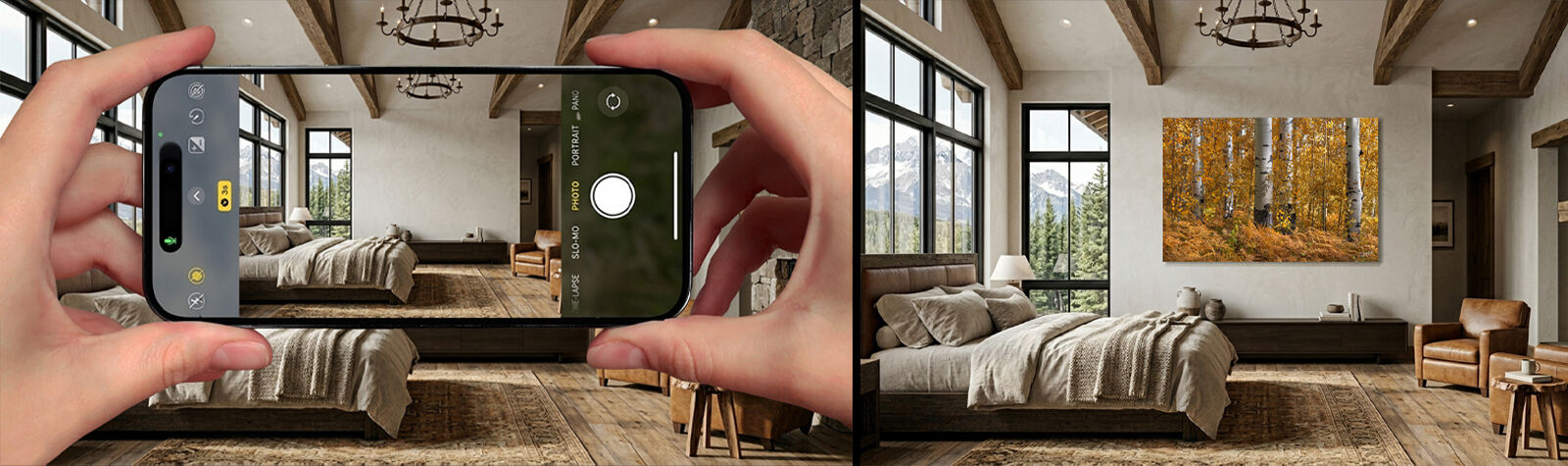
If you're considering a Lumachrome® for your home, I can create a free wall preview using a photograph of your room. You'll be able to see how your chosen artwork looks at the desired size and placement before making a decision.
It's a simple way to explore the possibilities—and to make sure the finished piece feels right within your space.

Final Thoughts
Lumachrome® is more than a way to reproduce a photograph. It is a carefully engineered presentation in which photographic material, acrylic, light, and construction come together to create something a conventional print cannot quite replicate.
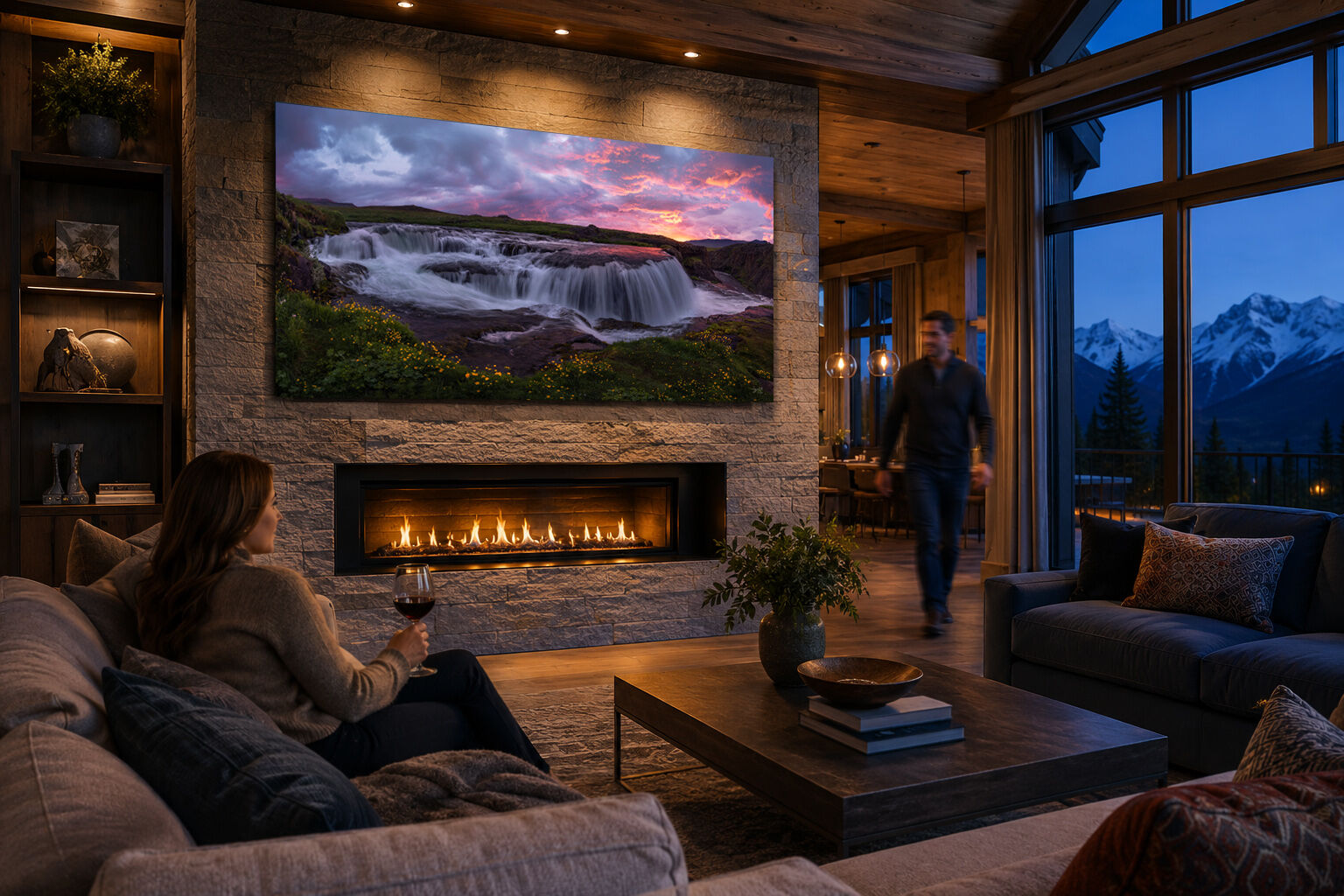
But perhaps the most compelling quality of Lumachrome® is the way it makes a photograph feel present. You don't simply look at the image—you find yourself drawn into it, immersed in the light and atmosphere of the scene.
And that is ultimately what Lumachrome® is about: not simply displaying a photograph, but experiencing it.
